


Every few weeks someone tells me—usually with the confidence of a man explaining Wi-Fi to a chinchilla—that print books are dead.
They say it the way people used to say Western civilization was dead, or New York, or shotgun weddings. Not as a question. As a pronouncement. A medical update delivered without an iota of bedside manner.
And then I get on the subway or a bus.
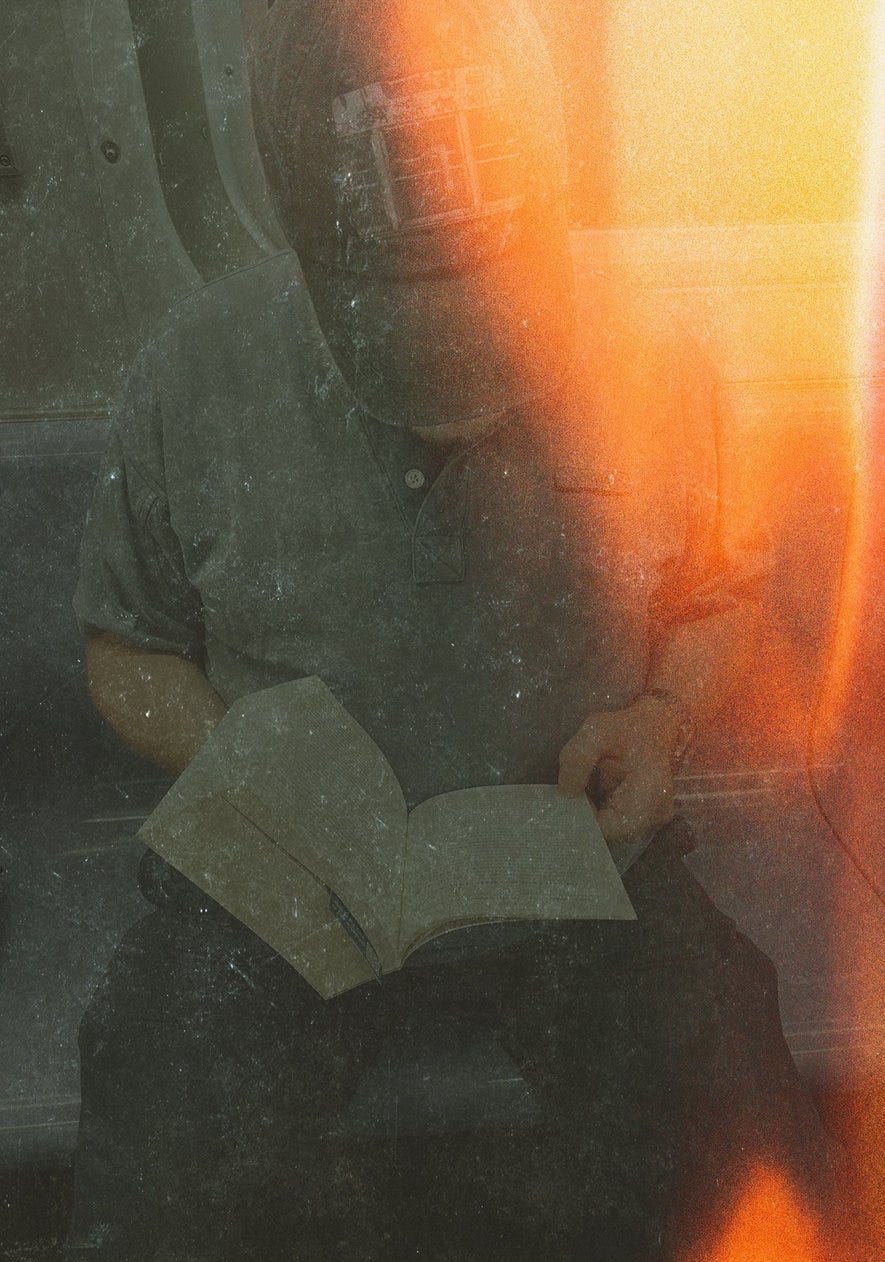
A woman is reading a paperback swollen with Post-it notes. A college kid is hunched over a dog-eared copy of The Stranger, the cover held together with tape like a field dressing. A guy in work boots is reading a hardcover biography of William Buckley Jr. It wasn’t assigned, it was chosen.

No one is photographing these books. No one is underlining for Instagram. They are just… reading.
Print books, it turns out, have survived by becoming invisible again.
They don’t buzz. They don’t ping. They don’t interrupt you to tell you what other people are reading. They don’t congratulate you for finishing Chapter 7. They don’t gently suggest you might also enjoy a book written by a venture capitalist about “disruption.”
They sit there. Patient. Heavy. Slightly judgmental.

A print book has weight in the literal sense, yes—but also in the moral sense. You feel it in your bag. You commit to it. You make a small contract with your future self: I will carry this. I will return to it. I will not swipe away when it gets difficult.
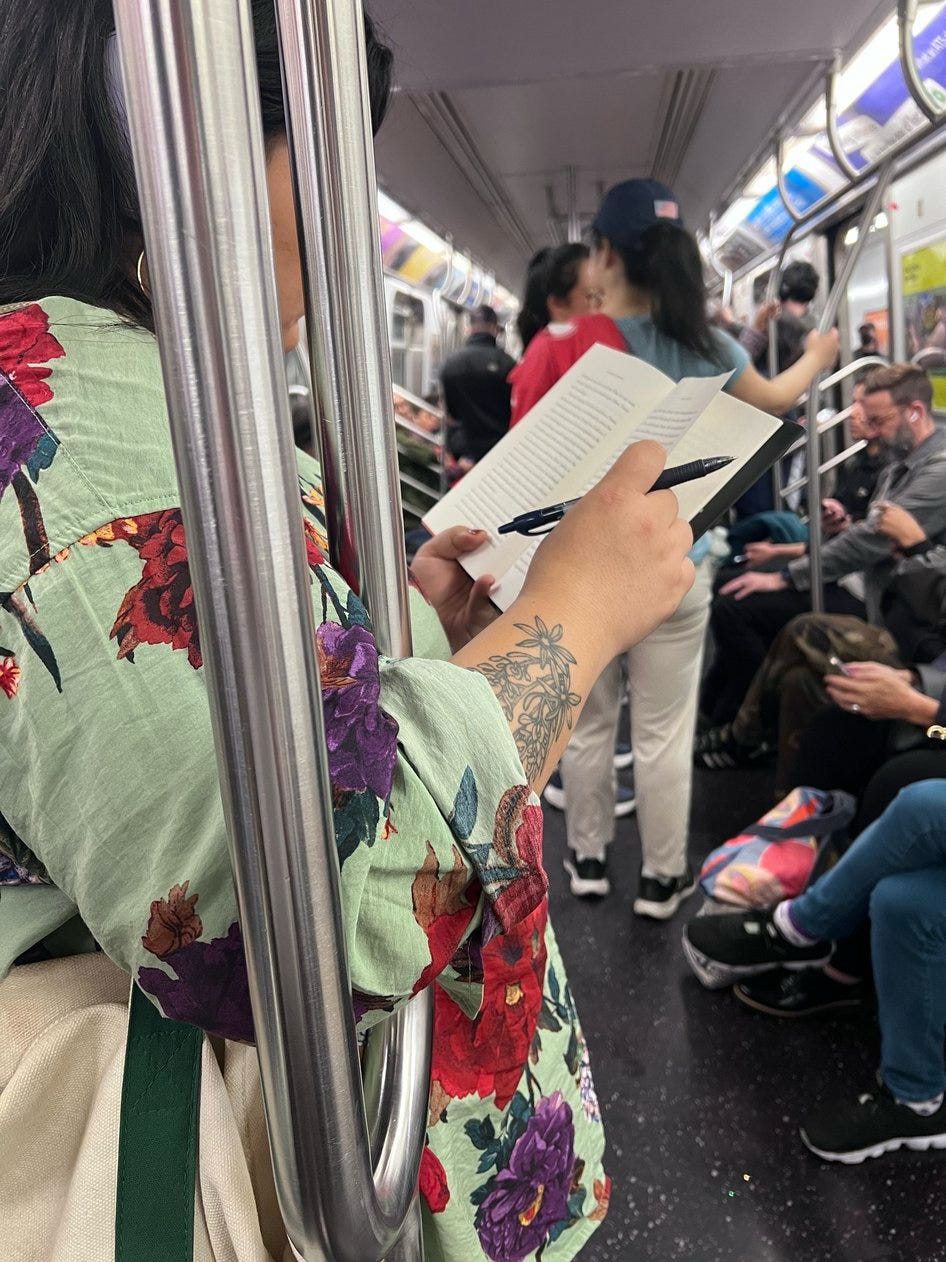
There is something quietly comic about watching someone read a print book in public. They look trapped in the best possible way. No escape hatch. No battery percentage. Just them and the sentence they’re stuck on.

And sometimes you can see it hit them—the pause, the intake of breath, the thumb holding the page as if it might run away.
This is the part no one puts in the think pieces.
Print books aren’t competing with screens. They’re doing something else entirely. They’re not optimized. They’re not efficient. They don’t scale.
They endure.
Librarians know this. So do used bookstore owners. So do the people who still lend books knowing full well they may never see them again.
A print book can be borrowed and returned slightly damaged, carrying someone else’s fingerprints, their coffee stain, their marginal note that says this is where it gets good. It can be lost, found, forgotten, rediscovered. It can wait decades without needing an update.

Dead things don’t do that.
Dead things don’t keep showing up in the hands of strangers on trains and park benches and waiting rooms, asking for nothing but time and attention.
Print books aren’t dead.
They’re just living where the noise can’t reach them.
Thanks for reading and being a subscriber.
’Til next time.
ak
So true! Never had a Kindle, never wanted one - give me the smell and touch of books, and the way I become immersed in their story, every time!
Books are one of the great things in the world. They transport you and deliver so many great hours of distraction from the madness we endure every day. Great post.