

Greetings, folks!
I recently came across a great essay by Susanne Helmert about the photographer Jan Groover. Her early work involved putting photographs together in diptychs and triptychs to create a sense of movement, even though the images themselves were still. Cars, trucks, buildings passing by. Groover was adamant that her diptychs and triptychs weren’t about time at all. She was interested in form and in the relationships between objects.
What happens to our imagination when we put two or three rectangles above or alongside one another? When I look at those photographs, I can’t help thinking of cinema.
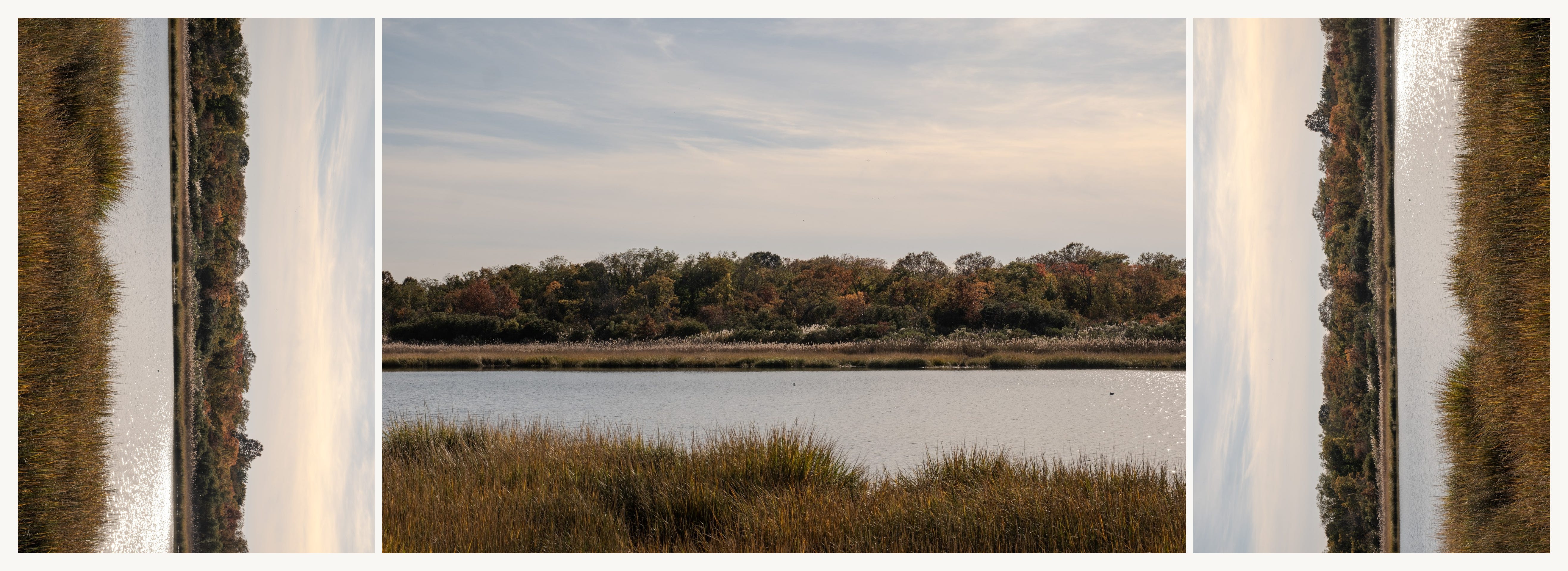
Perhaps that’s just how I’m wired. For a good part of my life, I’ve thought in terms of moving images. Recently, I’ve been playing around with something that’s neither film nor quite photography as we ordinarily think of it, but something in between: combining two or three photographs into a sequence.
Diptychs and triptychs are terms borrowed from painting, originating in religious art (paintings with hinged panels that opened and closed). Photography is a different ball game. The images don’t have to share a subject, or even a moment in time. I’ve never invented an acronym before, but now I have: CCC (Contradiction, Continuity, Connection). The composite image can become something entirely new, something that didn’t exist before the photographs were brought together.
And something rather odd happens when they are.
A single photograph captures a moment in time. Two photographs placed alongside each other invite us to imagine a conversation between them.
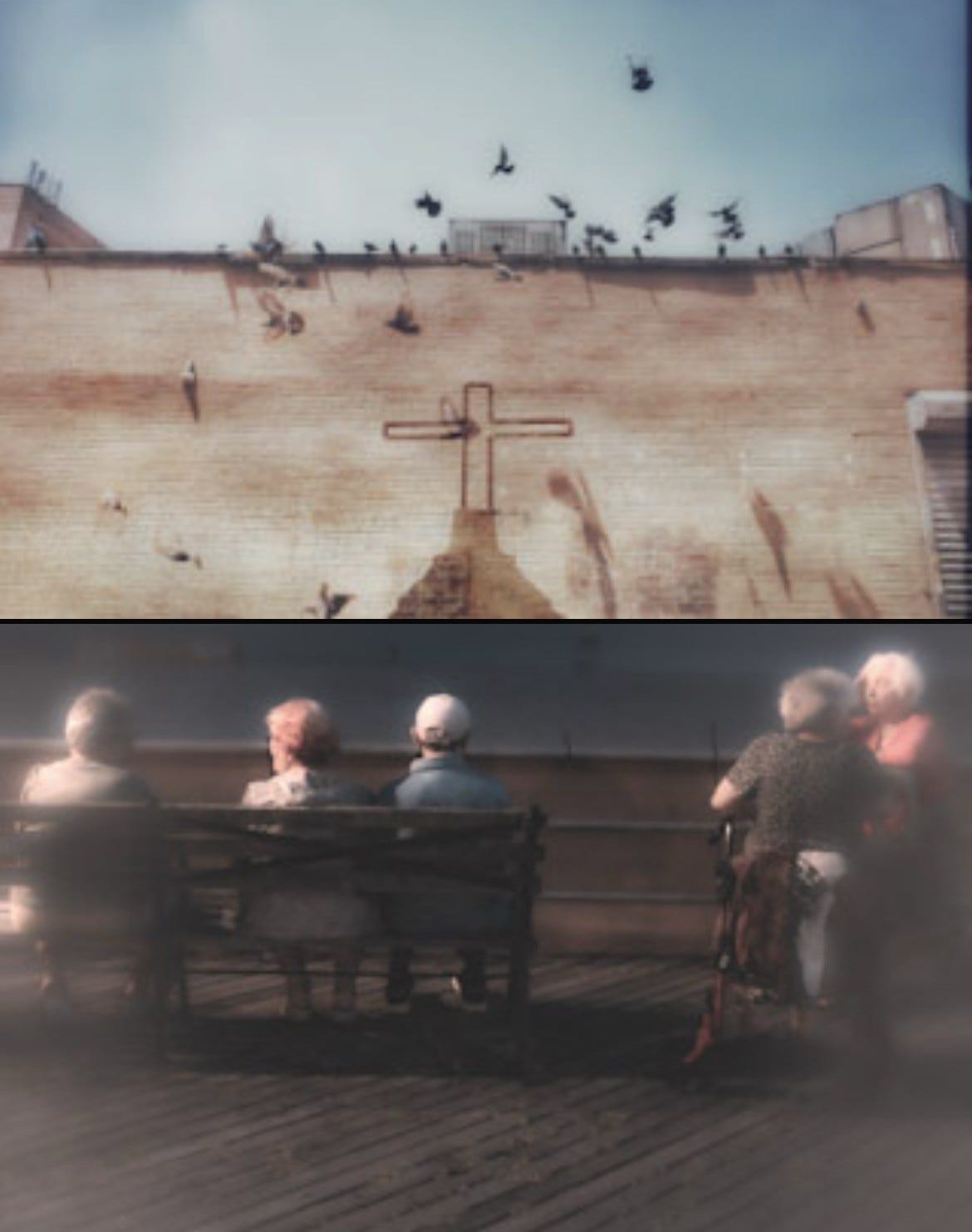
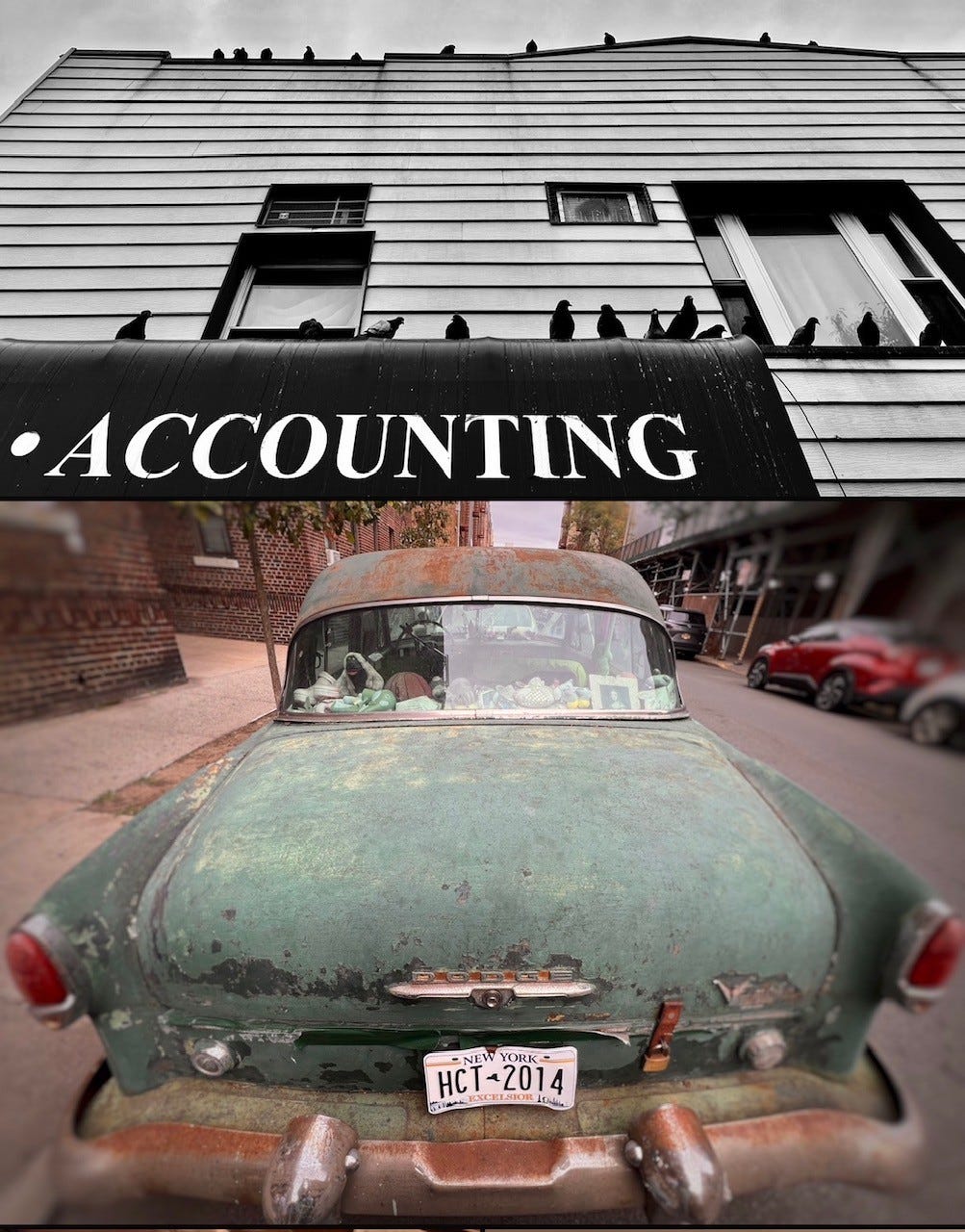
Three photographs begin to tell a story.
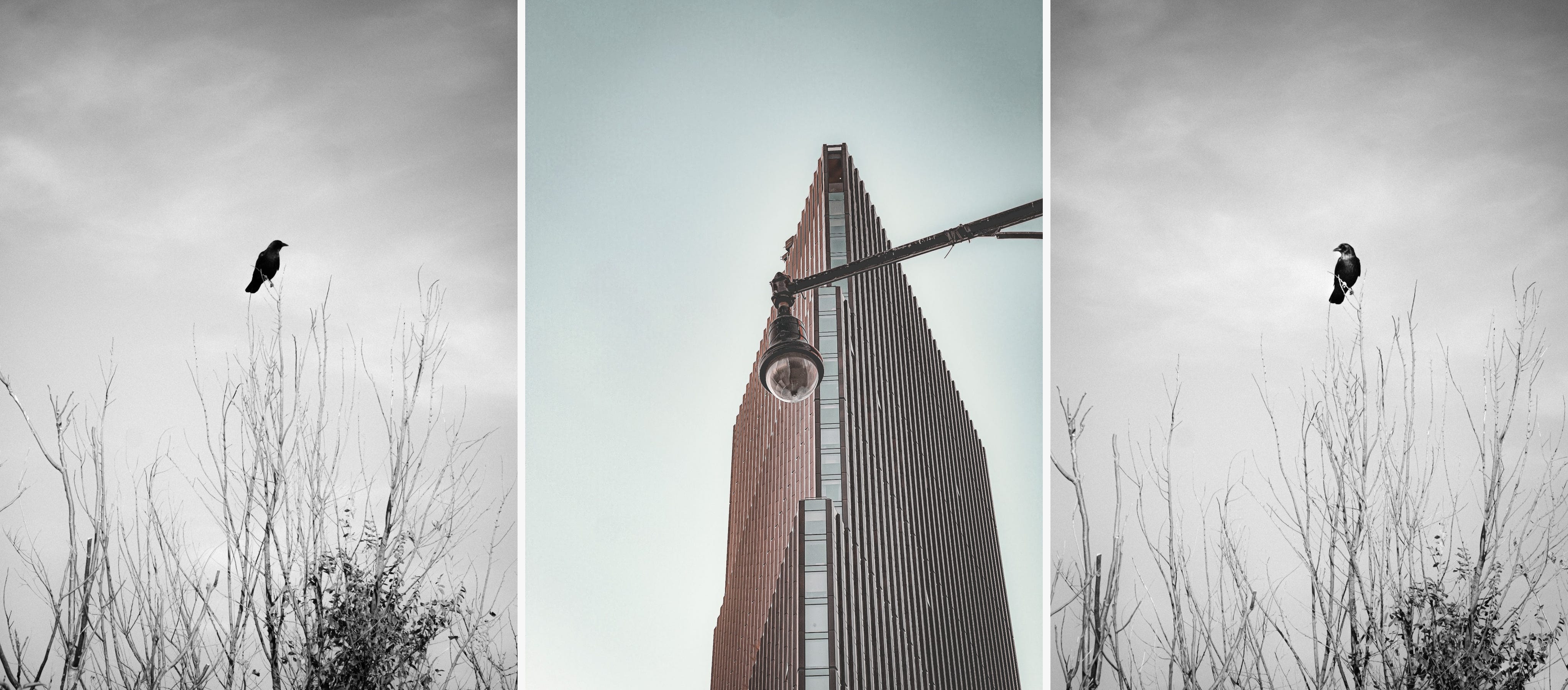
Not necessarily a story with characters, conflict, and resolution. It’s often just the movement of the eye or a shift in our imagination. And that changes how we experience a moment.
This is where photography and cinema are similar. It’s also where they’re different.
In film, the filmmaker chooses what we see and when we see it. A shot lasts a few seconds before being replaced by another. The filmmaker controls the rhythm.
In a diptych or triptych, all the images are there at once.
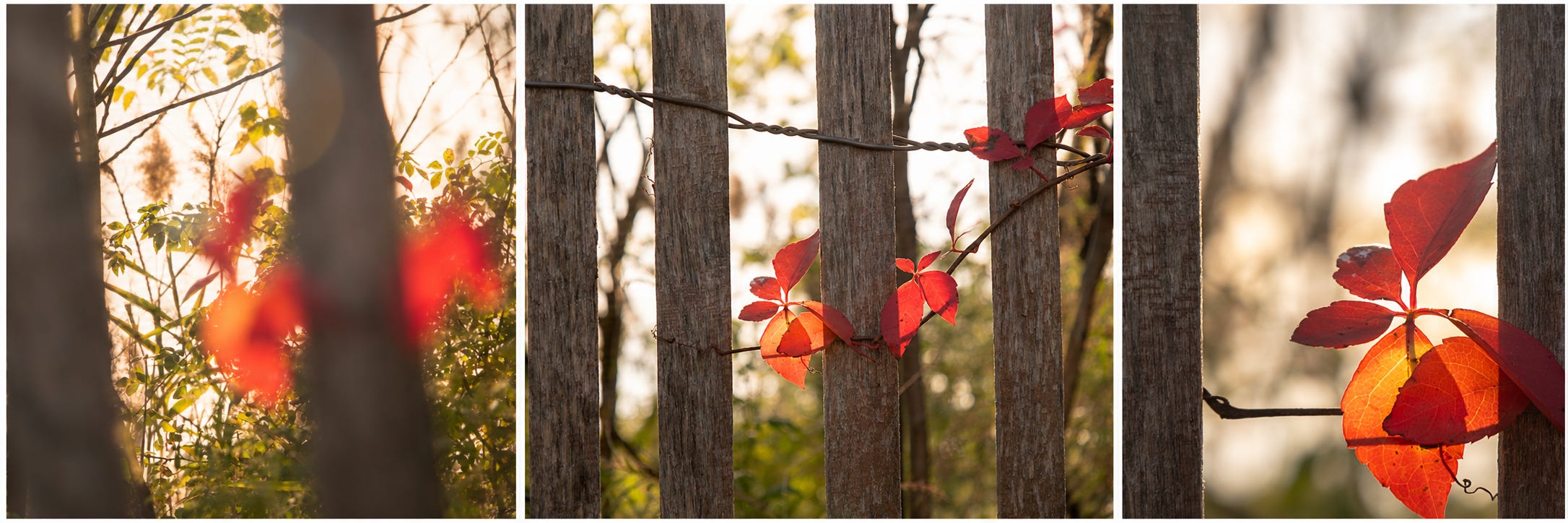
We can move from left to right, right to left, up or down. There’s no reason we can’t start with the last photograph and work our way back to the first, or spend most of our time looking at the one in the middle.
There’s no prescribed duration. No projector advancing the film frame by frame.
The viewer becomes the filmmaker. These compositions borrow something from cinema while retaining the distinct stillness of photography.
Eisenstein, the Soviet filmmaker, believed that montage (the juxtaposition of images through editing) could generate ideas and emotions that were absent from the individual images. A tertium quid (a third thing) could emerge from the combination, making the whole greater than the sum of its parts. The same principle works when the images are static.
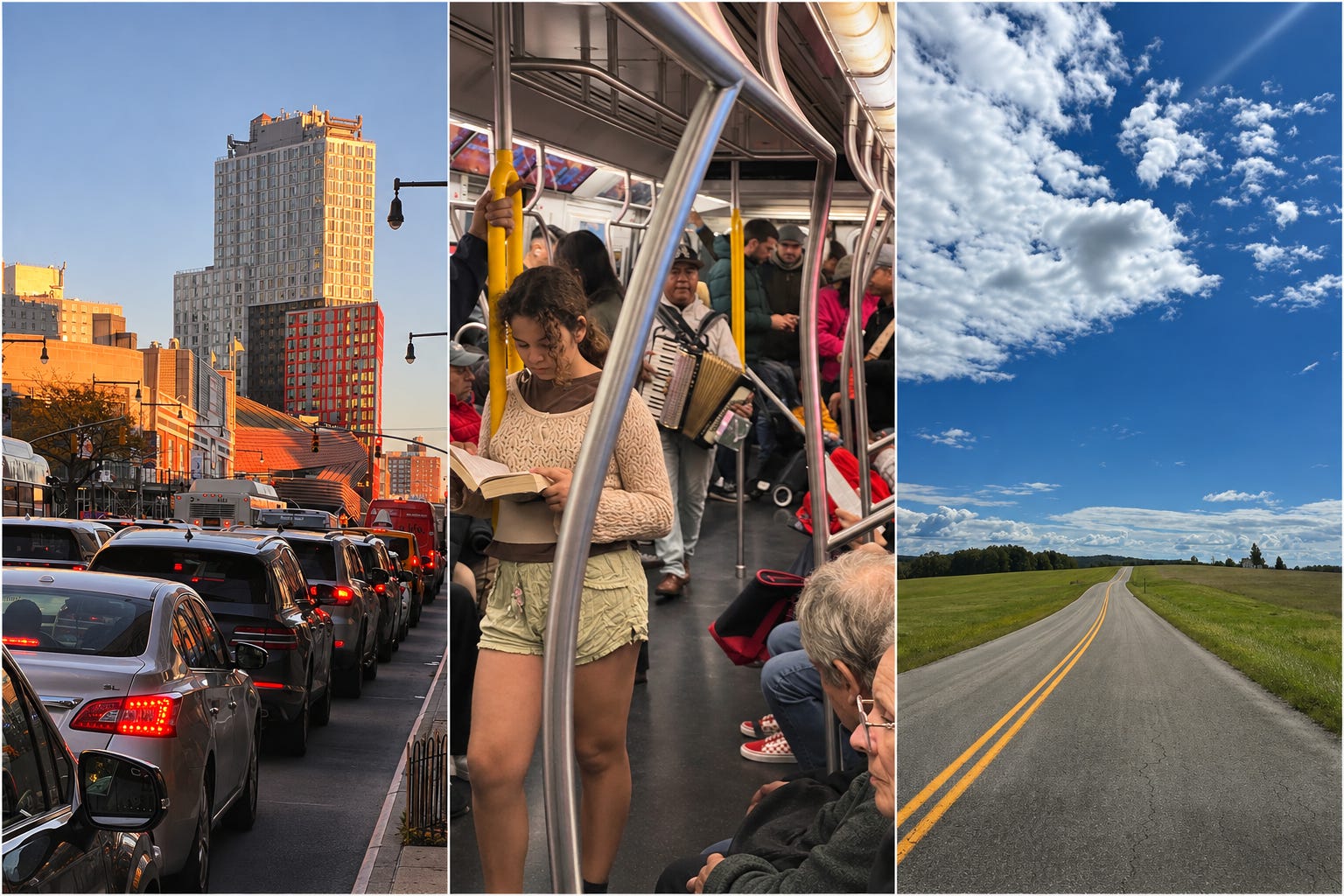
Two photographs may be completely unrelated. One might have been taken in the morning in Tashkent, the other a year earlier in Antananarivo. But their proximity invites us to look for a connection, a relationship. Often, that relationship is emotional. Something we feel but can’t quite put into words.
Then there’s repetition. The passage of time. Movement. Meaning.
Does every diptych or triptych have to imply a relationship? Of course not. The pleasure can be entirely visual. A conversation between colors. The delight of utterly disparate objects placed in opposition.
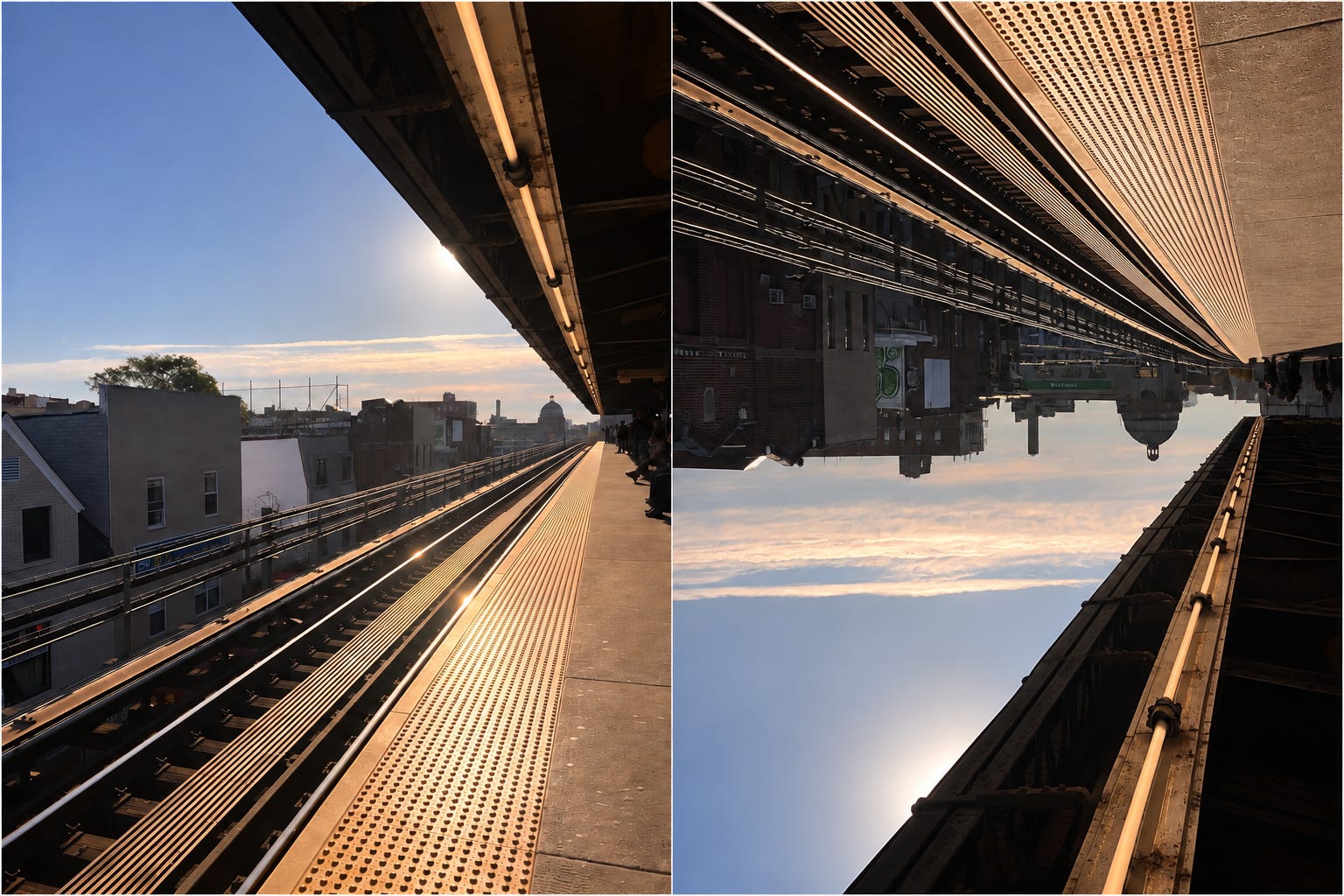
Perhaps Groover was absolutely right when she insisted that her photographs made no comment on time.
Sometimes a cigar is just a cigar, as the saying often attributed to Freud goes. Sometimes a rectangle is just a rectangle. The relationship between two rectangles can be interesting enough without our having to go to all the trouble of inventing some new meaning.
In film, the transition between two shots is called a cut. In cinema, the cut happens in time. In a diptych, it happens in space. And that cut is there for all to see. There’s something liberating about that.
We’re absolutely swamped with moving images. Money-making algorithms keep everything in motion. Everything demands our attention.
A diptych asks us to slow down. A triptych offers several places for the eye to wander. Neither tells us how long to look.
Combining photographs allows us to establish relationships between moments that may not belong together at all. Sometimes they may agree. Sometimes they may disagree. And sometimes it’s the space between them that matters most.
Thanks for reading and being a subscriber.
’Till next time.
ak
i can't stop thinking at david hockney and the way he combined photographs, sometimes tens of them in order to create the whole moment/story. he sat in one point, photographed everything around and after that combined the prints. i know it is a different approach to what you present but it's still a matter of combining images.
It is so great to see and your take on that. I have been pondering about Groover‘s triptychs and the aspect of time (or the lack of it) ever since I wrote about it and I am playing with ideas for creating my own versions.
Thank you for sharing!