

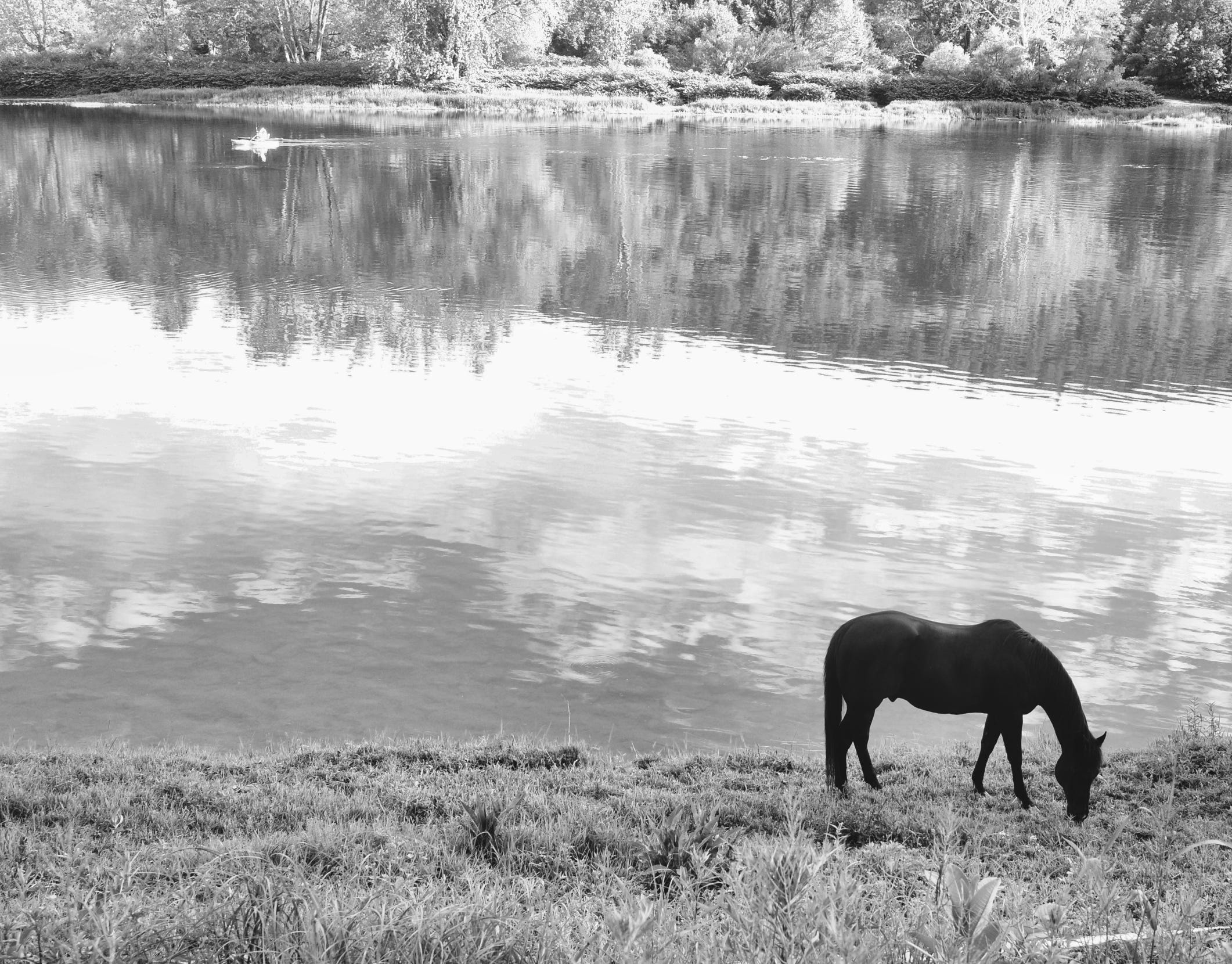
Greetings friends!
Monday morning in Brooklyn. Not sure what day of the week it is where you are. Or what year. Hopefully, we’re on the same planet. But even that isn’t important.
I guess what I’m trying to say is: It’s good to have you here.
I don’t know what made me pick up Vikto Shklovsky’s Theory of Prose (1925) a couple of months ago. Maybe it was the brisket burrito I ate at the Canadian Jewish deli near work. Or maybe I skipped the electrolyte drink after aikido class. Either way, I’d read Theory of Prose once before, back in college, when dinosaurs still roamed the Earth. But I’d forgotten almost everything except the one idea that got etched into my brain with acid: art’s main job is to make the familiar strange again. Which, it turns out, is similar to The Storyteller: Reflections on the Workd of Nikolai Leskov (1936) by Walter Benjamin.
There’s a line in Benjamin’s essay on the storyteller that I keep returning to. He says there are two ancient kinds of storyteller, and that we tend to remember only one of them:
“When someone goes on a trip, he has something to tell about,” goes the German saying, and people imagine the storyteller as someone who has come from afar. But they enjoy no less listening to the man who has stayed at home, making an honest living, and who knows the local tales and traditions.[^1]
Some of us assume that the story worth telling has to be the one that required a passport. You go across the seas, into the strange, to photograph what no one back home has seen. The peasant who stayed put has nothing, we assume, because we already know his street (Saul Leiter was one of those peasants.)
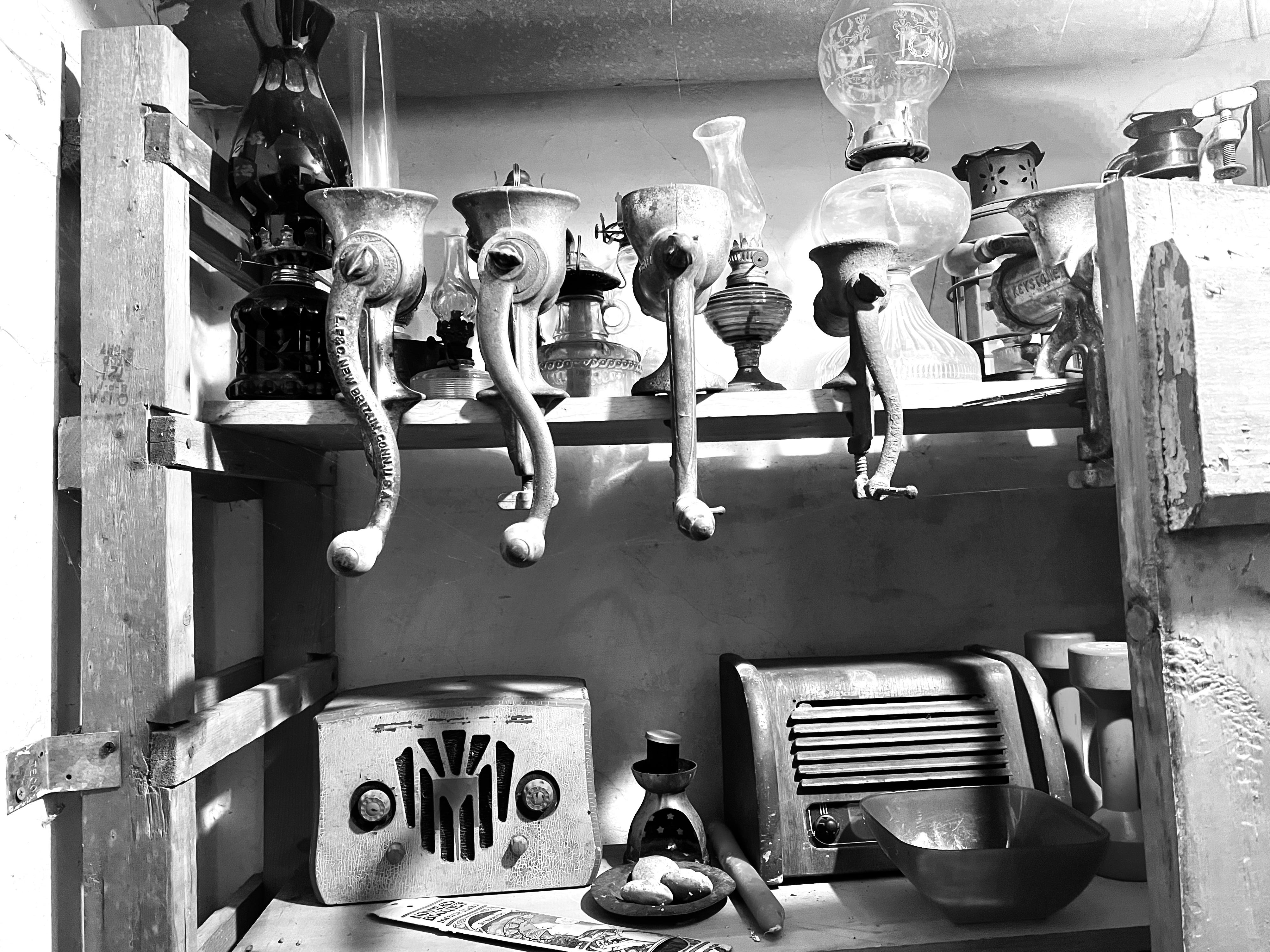
But here is Benjamin’s quieter point: the resident isn’t a lesser storyteller. He’s the “keeper of of the past, as it best reveals itself to natives of a place.”[^2] His material isn’t thinner than the sailor’s. It’s just closer. But we mistake for empty.
And that mistake is exactly what Viktor Shklovsky diagnosed twenty years earlier in “Art as Technique” (1917), which later became the first chapter of Theory of Prose. Shklovsky’s word for what kills the close-at-hand is “habitualization,” the way we stop noticing things we see every day.
“Habitualization devours work, clothes, furniture, one’s wife, and the fear of war. If the whole complex lives of many people go on unconsciously, then such lives are as if they had never been. And art exists that one may recover the sensation of life; it exists to make one feel things, to make the stone stony.”[^3]
To make the stone stony. That’s the whole task. Shklovsky’s name for the technique is ostranenie (a Russian word usually translated as “defamiliarization” or “making strange”.
“The technique of art is to make objects “unfamiliar,” to make forms difficult, to increase the difficulty and length of perception because the process of perception is an aesthetic end in itself and must be prolonged.”[^4]
Put the two essays beside each other and they complete a single thought. Shklovsky tells you why the familiar disappears. Habit. A life lived on autopilot is “as if it had never been.”
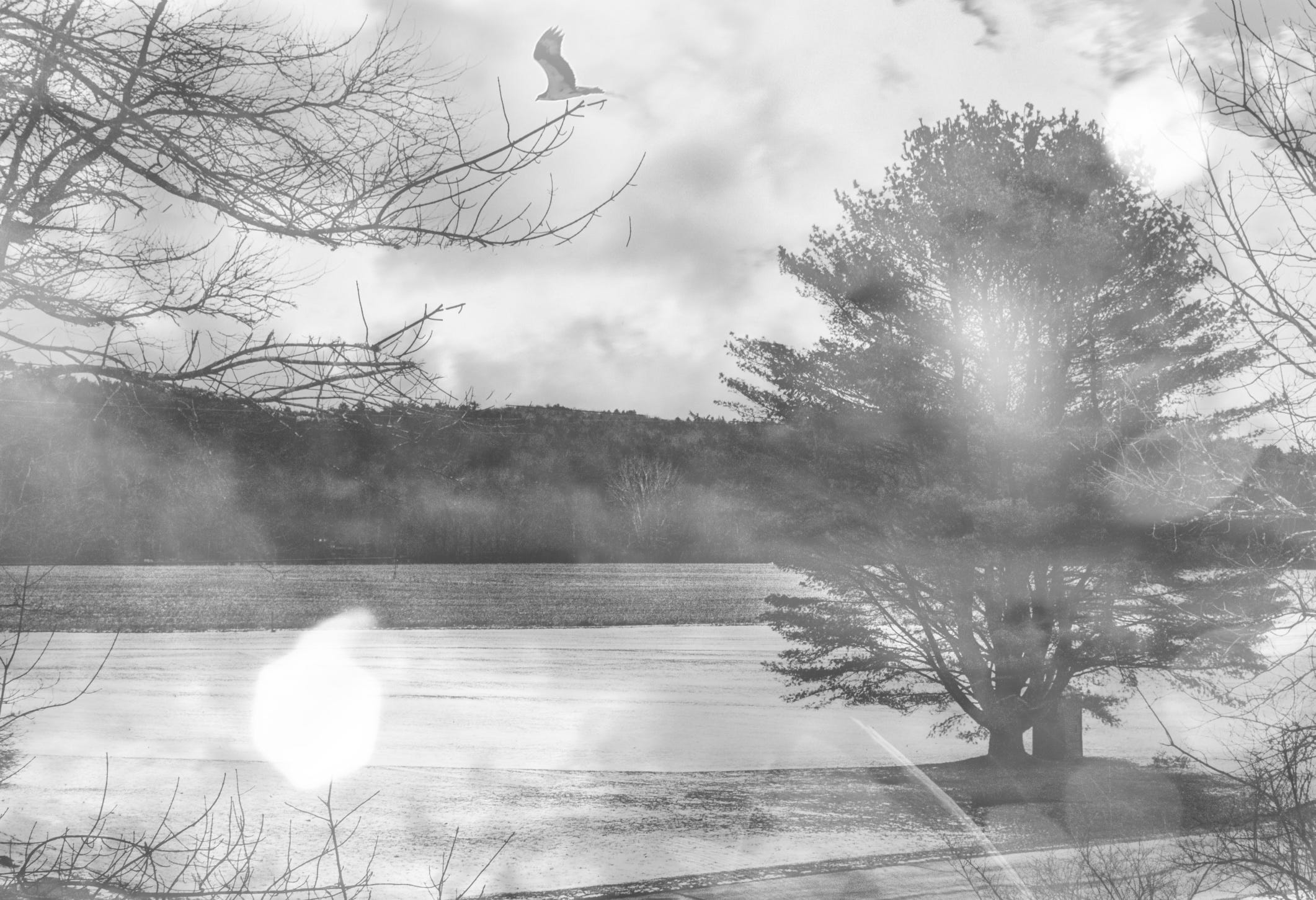
Benjamin gives you the figure who reverses the loss without going anywhere, the one who stayed home and can’t rely on the strangeness of faraway places. A much harder trick. He has to make the familiar strange. He has to recover, through art, the sensation of the thing he passes every day.
This is the part I want to hold onto. The assumption is that to find a photograph you have to travel, that the image lives elsewhere, behind some distance you haven’t yet crossed. But the sailor’s distance is the cheap version. Everything is strange because everything is new. The resident / peasant has no such help. For him the stone has gone invisible through sheer closeness, and the work is to make it “stony” again.
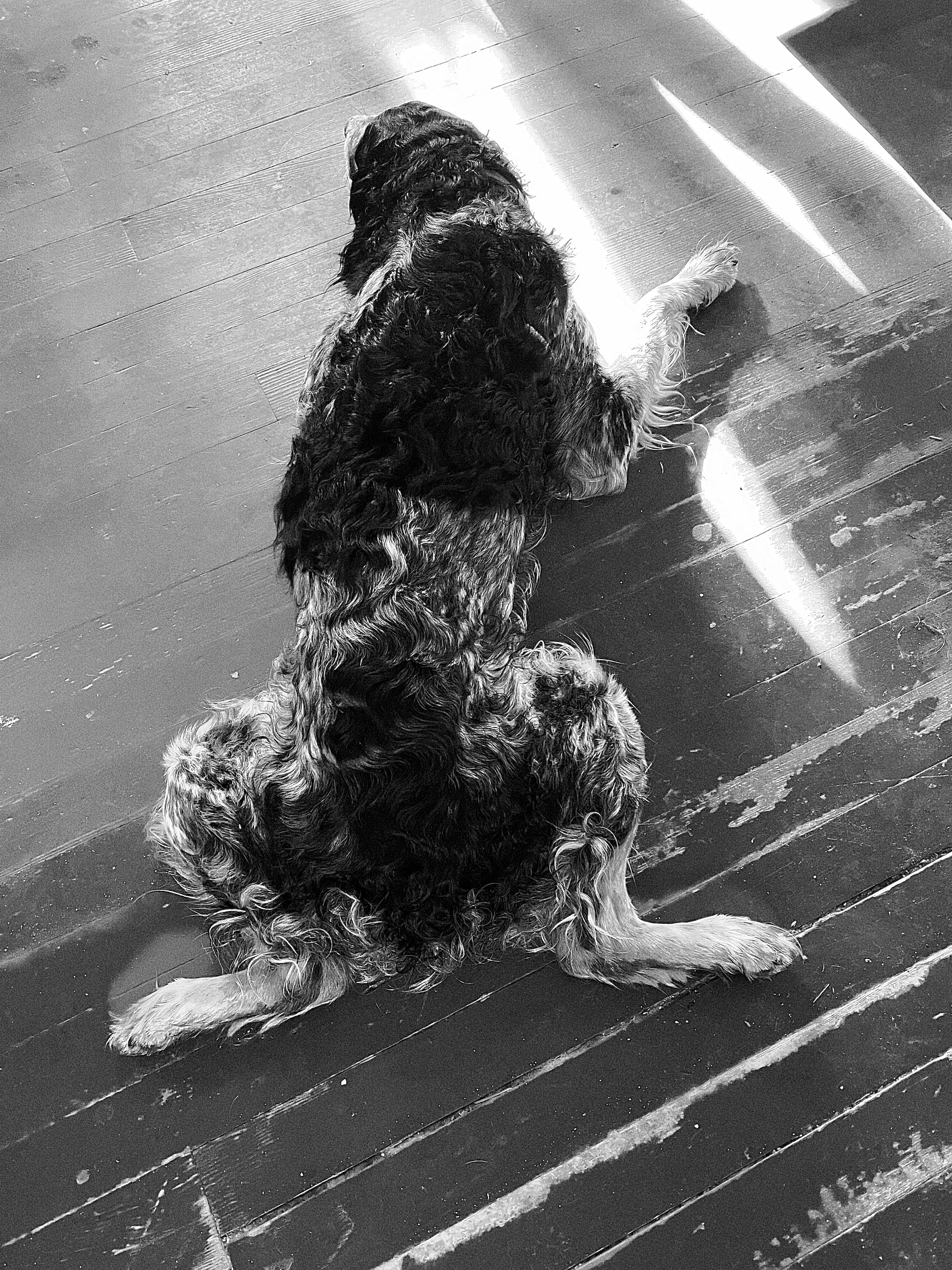
Benjamin’s storyteller and Shklovsky’s artist turn out to be the same person, working the same material from opposite ends. One refuses to leave home. The other refuses to let home go numb. They share he only instruction that matters: the stone is already at your feet. Make it stony.
The brisket burrito, for the record, was excellent. I had walked past it on the menu at that deli for two years. It took a Russian Formalist and a missing electrolyte to make me taste it.
Notes
[^1]: Walter Benjamin, “The Storyteller: Reflections on the Works of Nikolai Leskov,” trans. Harry Zohn, in Illuminations, ed. Hannah Arendt (New York: Schocken Books, 1968), §II, approx. pp. 84–85.
[^2]: Benjamin, “The Storyteller,” §II, approx. p. 85.
[^3]: Viktor Shklovsky, “Art as Technique,” trans. Lee T. Lemon and Marion J. Reis, in Russian Formalist Criticism: Four Essays (Lincoln: University of Nebraska Press, 1965), p. 12.
[^4]: Shklovsky, “Art as Technique,” p. 12.
Thanks for reading and subscribing.
’Til next time.
ak

And (corollary?) make the strange familiar.
Also, the stone is, in some sense, of course, "stony"—whatever that means!—should be, must be, wants to be, but what else might it be? I've lived on the same block for 30 years—thanks for the reminder not to take the stone, or "stones," for granted.
Got to try that burrito