

Greetings friends!
Several concerned colleagues and friends (let’s call them Good Samaritans) reached out to me yesterday regarding an article that appeared in the New York Post the day before.
A former New York college professor who used to teach at the School of Visual Arts in Manhattan spent years photographing subway riders without their knowledge. Mostly crying kids and women in tight-fitting clothes.
The Good Samaritans were afraid that some concerned citizens might start stalking me. Or worse, that the New York Post might write a story about me.
I understand your concern, friends. Respect.
It made me realize that, outside the world of photography, many people don’t know what street photography really is, or why some folks are drawn to it.
I don’t know the former professor and have no idea what his real intentions are. I can only speak for myself.
I don’t photograph people because they’re attractive, vulnerable, or weird. I photograph them because they’re human. Pretentious? Perhaps. But allow me to run with it for a while.
I’ve covered this ground here on Substack many times before. But it’s worth repeating for the uninitiated.
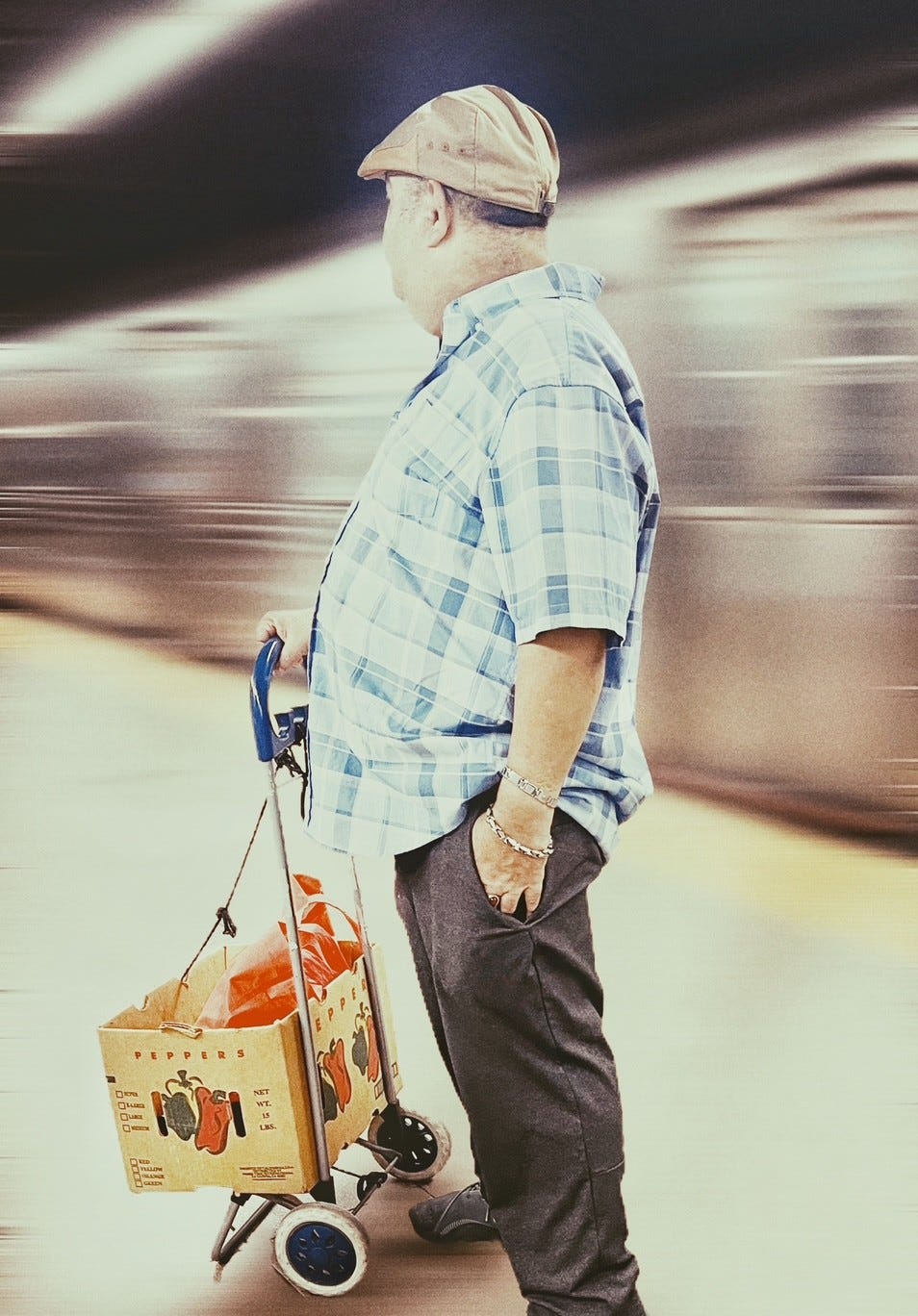
Yes, I often photograph strangers on the New York subway.
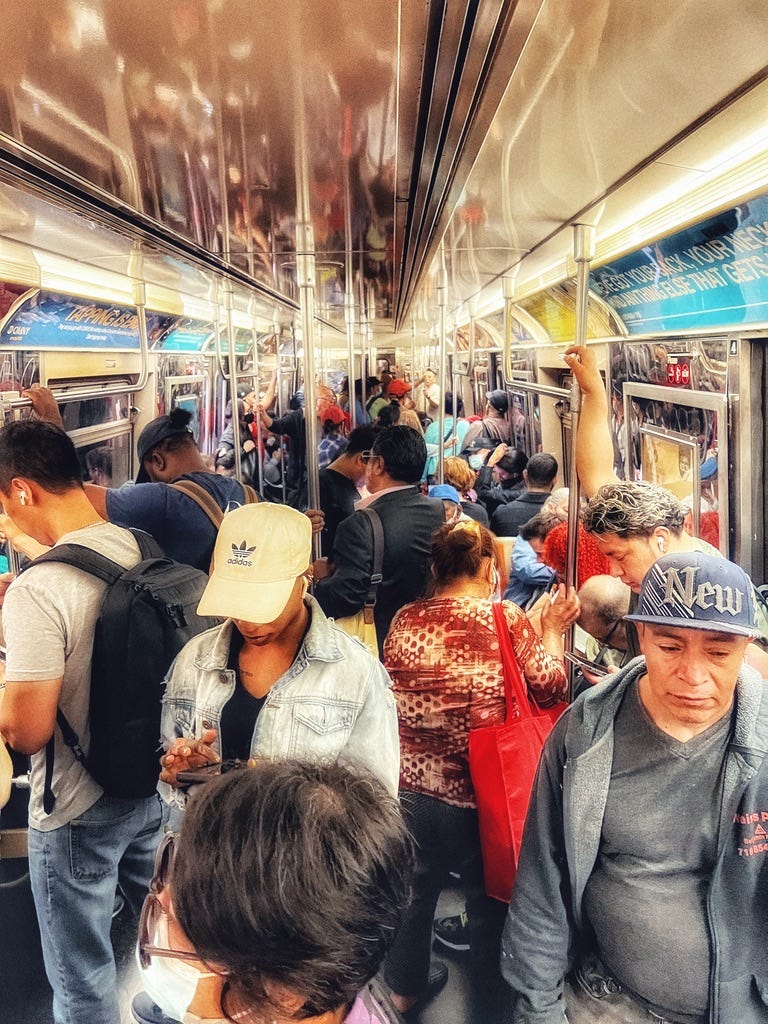
To me, a subway car is one of the few places where every kind of New Yorker ends up together. For a few minutes, a banker, a construction worker, a musician, a student, a pimply college kid, an aging masturbator, an exhausted Jamaican nurse, and tourists from Romania all share the same moving room.
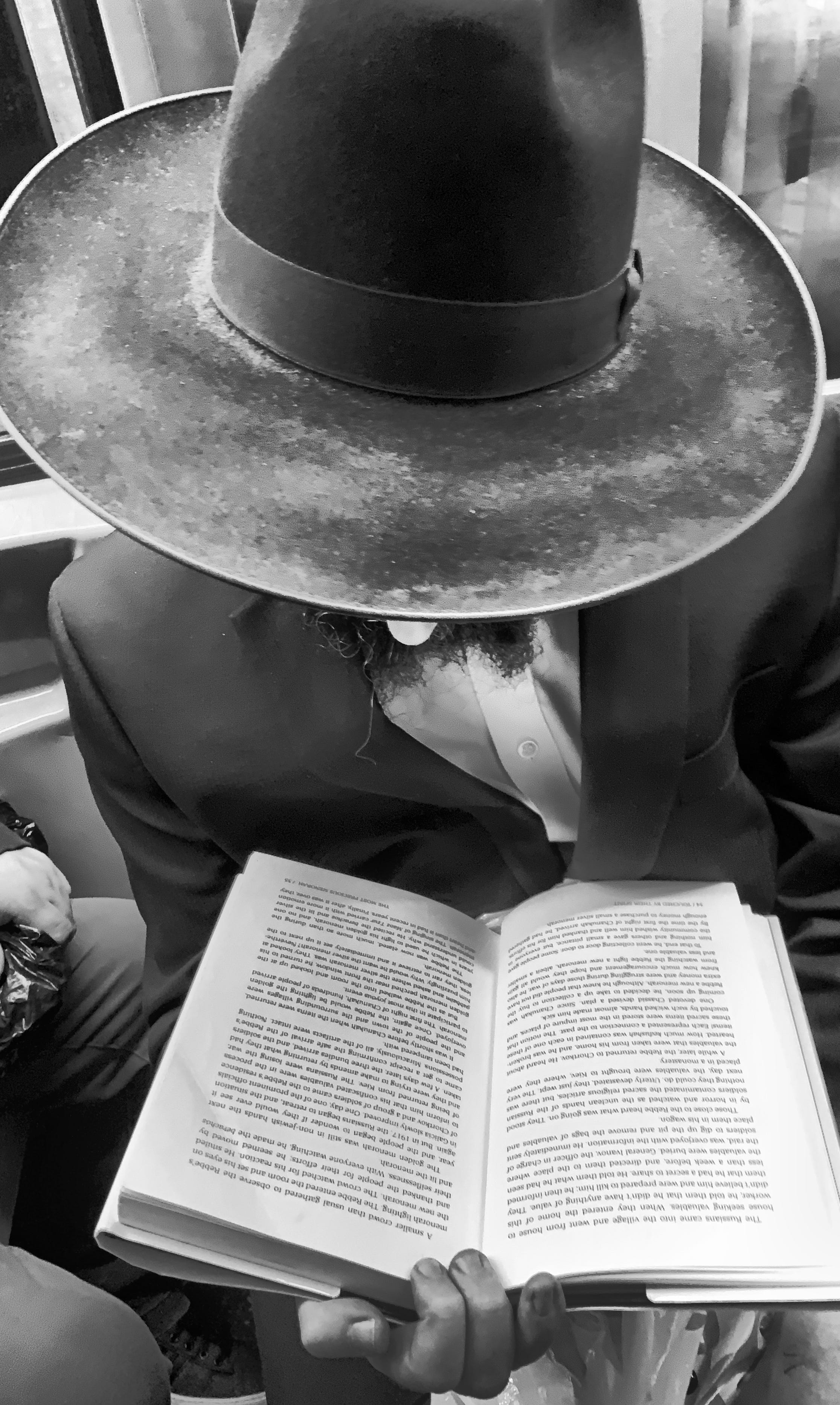
Sometimes a glance, a gesture, or the way the morning light falls across someone’s face tells a story words never could. In this life, we’re all straphangers.
Much of the history of street photography was built on photographing strangers in public. Candid moments of everyday people.
Photographers like Henri Cartier-Bresson, Garry Winogrand, Joel Meyerowitz, Helen Levitt, and Vivian Maier weren’t photographing celebrities or hired models. They were documenting the strange, funny, and mysterious theater of everyday life.
I’m certainly not in the same league as these masters, but I’m inspired by the faint echo of their footsteps.
That said, street photography comes with responsibility. What I don’t photograph is often more important than what I do.
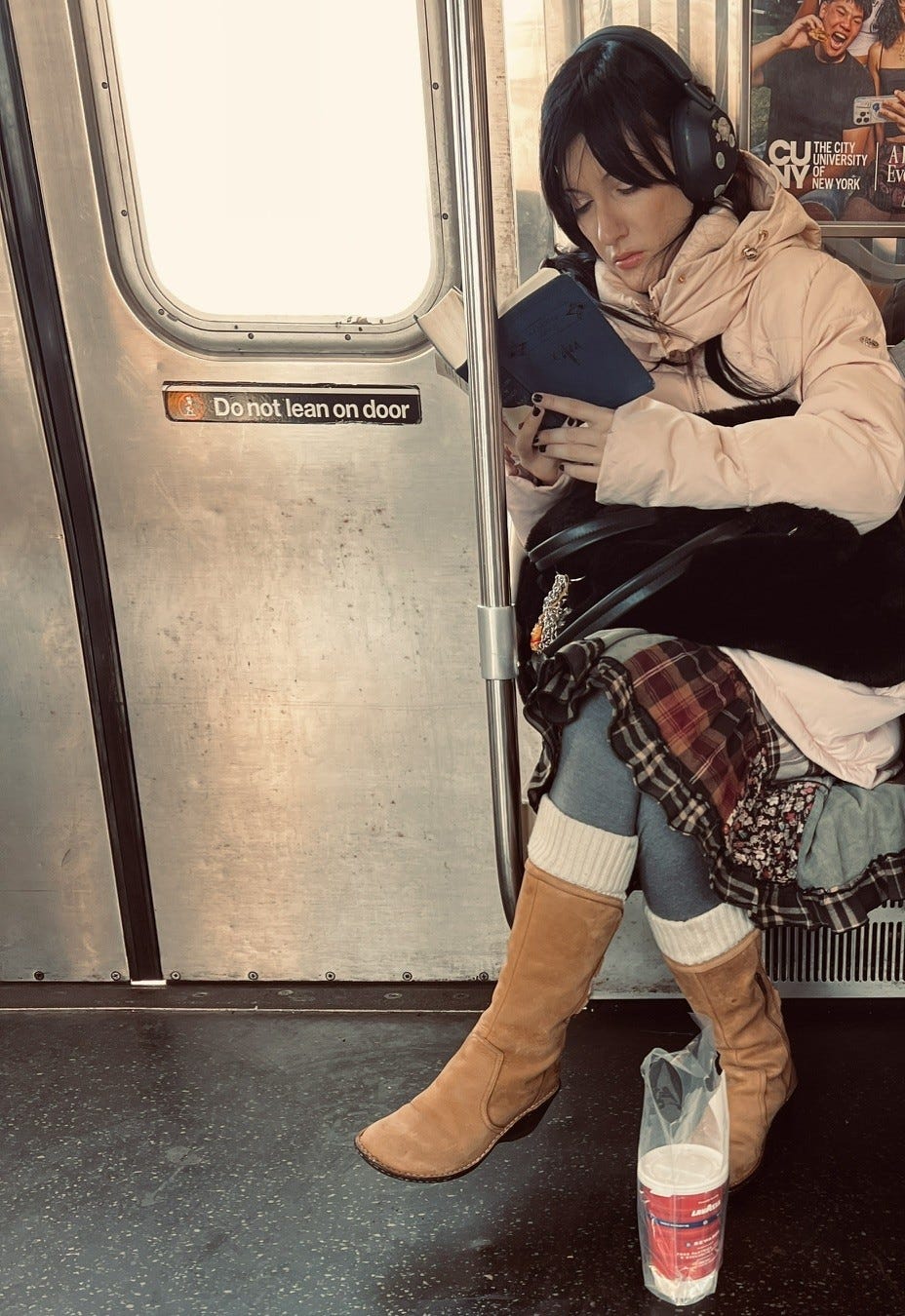
I don’t photograph children. I don’t photograph homeless people. I don’t photograph people who are sick, disabled, intoxicated, or in vulnerable or humiliating situations. Women in revealing clothing usually end up photographing me, so I don’t have to worry about that.
It is perfectly legal to photograph people in public places. Many subjects have sued (or tried to sue) street photographers over the years with zero success. But legality and ethics are not the same thing. Every photographer has to decide where to draw that line.
After many years of clicking and snapping, I’ve developed my own guidelines:
I avoid photographing vulnerable subjects.
I don’t post images that invite ridicule or turn someone into a joke.
I avoid publishing photographs that reveal a person’s routine, location, or other identifying details if doing so could create a safety concern.
If someone asks me not to take their photo or to remove it from my website or social media, they’ll get no argument from me.
Finally, the most important question: Would I be okay with this photograph if the person in it were standing next to me while we looked at it together?
If the answer is no, then it isn’t a photograph I’ll share.
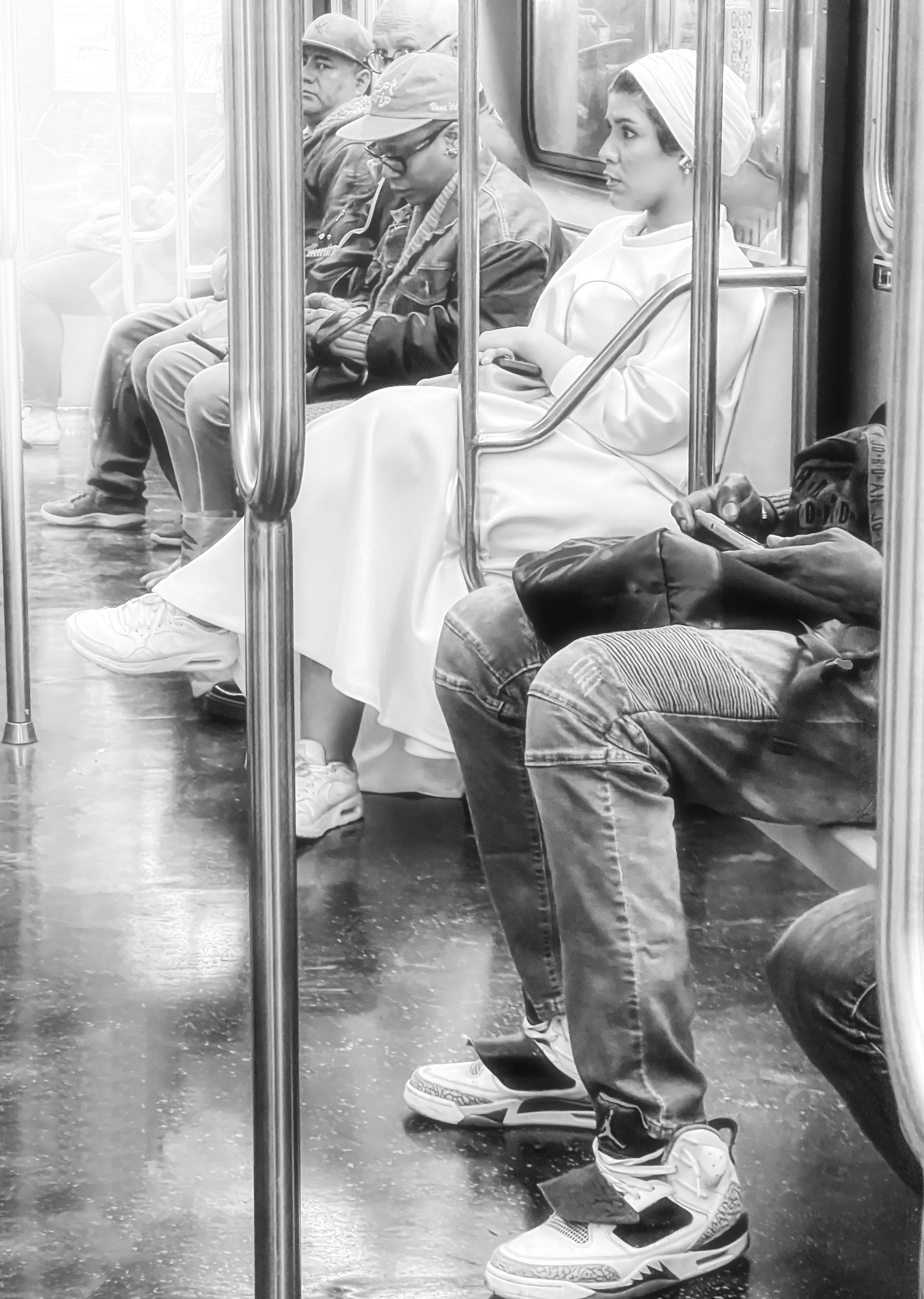
Curiosity over exploitation.
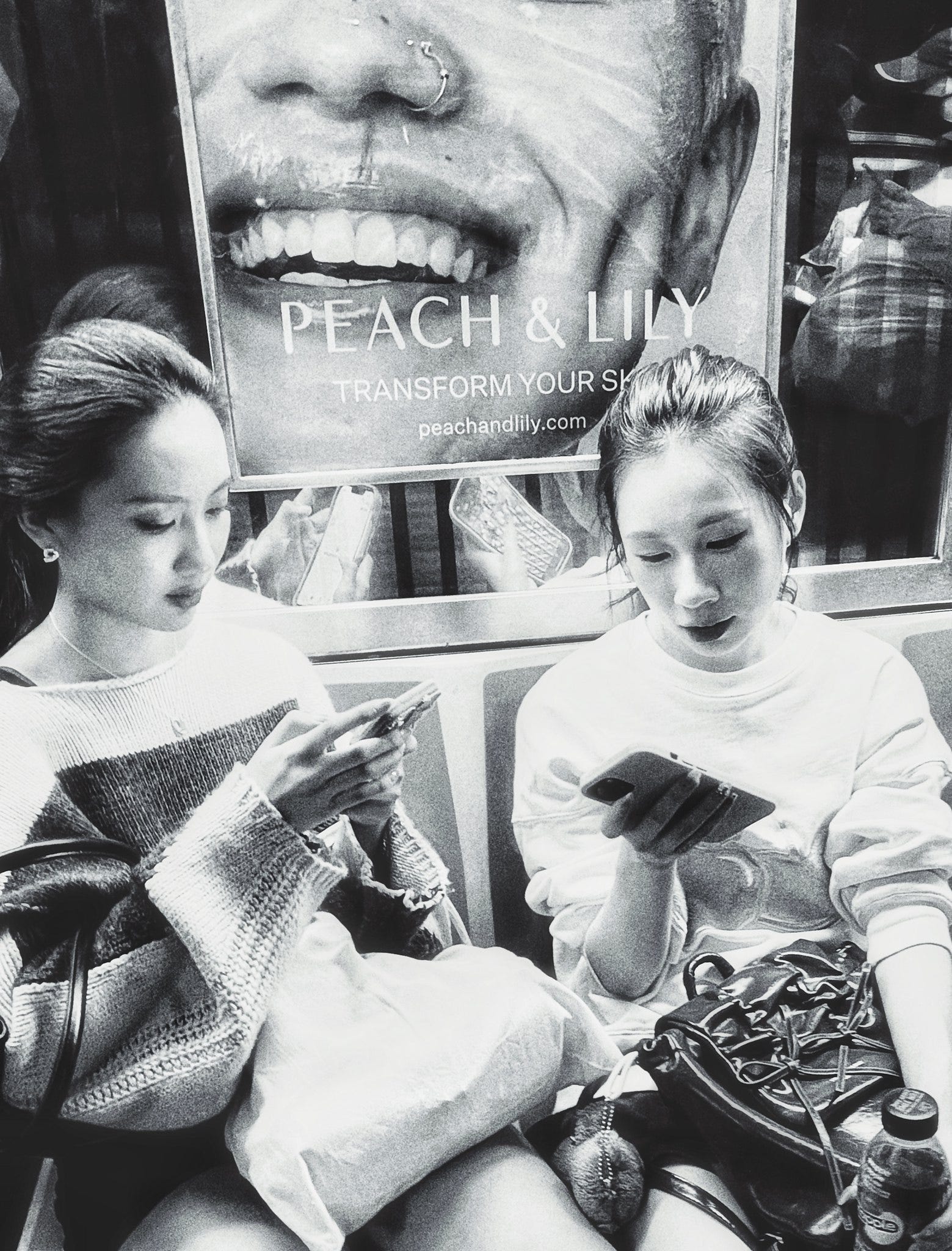
I’m not interested in embarrassing strangers. I am interested in preserving those tiny moments most of us miss because we’re too busy picking our nose, staring at our phone, or rushing to a beekeeping class in Williamsburg.
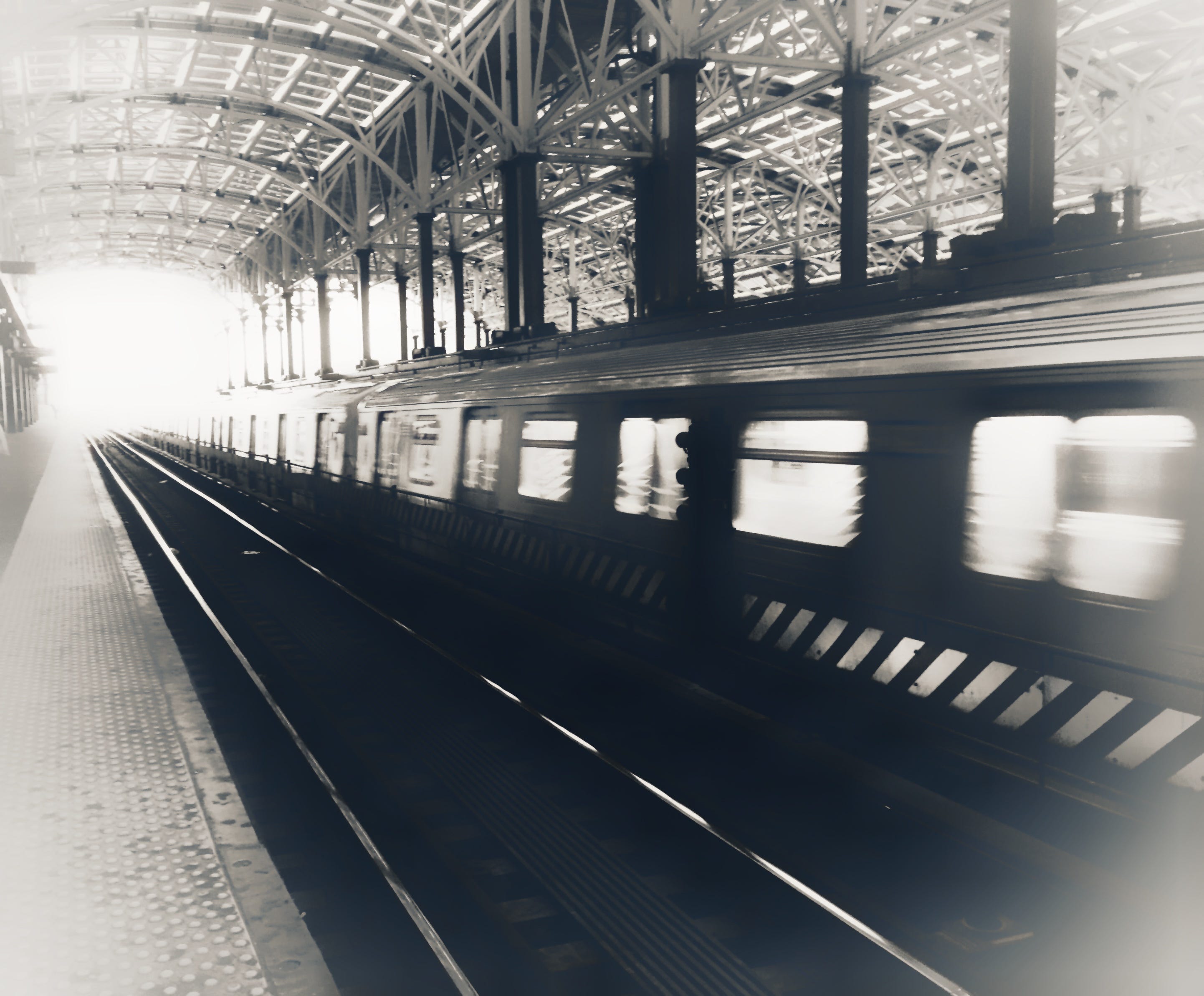
Some people will always be uncomfortable with candid street photography. Some people are always uncomfortable. That’s between them and their shrinks.
Reasonable people can disagree. But I hope that if you ever come across one of my photographs, you’ll see that my subject isn’t a particular person. It’s a tiny piece of a particular time and place.
Photography, at its best, isn’t about catching people. It’s about catching life before it disappears.
Thanks for reading and being a subscriber.
‘Til next time.
ak

I agree with everything you say, of course, except I think your point number 5 may be going a bit too far. the way it's stated. I say this because many people don't want to be photographed at all, without their consent and participation. People are conditioned that they must present their best selves for the photographic record. They'd see your photos and wouldn't feel uncomfortable in a fearful way, they'd feel uncomfortable in a "wait, I wasn't ready" or "that's not how I want to be seen" way.
Or maybe that's just me, and this is a line that you don't actually want to cross, which is great. I'm thinking of one of my photos that I love, where a couple on the street is very tired and yawning. Some people might be amused that I caught them like that, but others would not be. My contention is that yawning is what people do when they go about their lives. There is no shame in living a life in public.
And that brings up another point. #5 is not a litmus test that would work the same with any person. Which of course you know, which indicates how generalized this rule is, which brings us back to the point of actual embarrassing situations. :-)
You’re post of course feels defensive. I understand. I don’t shoot subways/trains much anymore, not because of any ethical concern, but because it no longer interests me to do so. I have a plan to take a bus from Seattle to Miami one of these days via Greyhound busses and document my ride. To get a feel for why she or he or they are on this particular bus, where they think they’re going, where they’re coming from. I don’t know that I’ll ever fill this idea, but wanting to both imagine these lives, and get to understand them is what I’d like to do. You’ve no reason to feel defensive, given the ethical boundaries you’ve given yourself. Totally understand. When the time comes to do something else, so be it. But in the meantime, I have one question above all others. Is this really true? “Women in revealing clothing usually end up photographing me, so I don’t have to worry about that.” Sorry for my incredulity. And apologies in advance. ;>)