

Greetings, folks!
I stumbled upon a 2024 episode of The Ezra Klein Show featuring Brian Eno. I’m not a big fan of Klein, but his skills as an interviewer are first-rate. Fascinating conversation.
The hell with Klein. It’s Eno’s day at Framing-the-Story.
Because Eno is a fascinating fella. And not just because he’s smart, erudite, and modest. And not even because he’s got great taste in glasses (I’ve been looking for this style of specs in the best Moldovan and Uzbek online boutiques; but it turns out they’re an outdated Alain Mikli model).
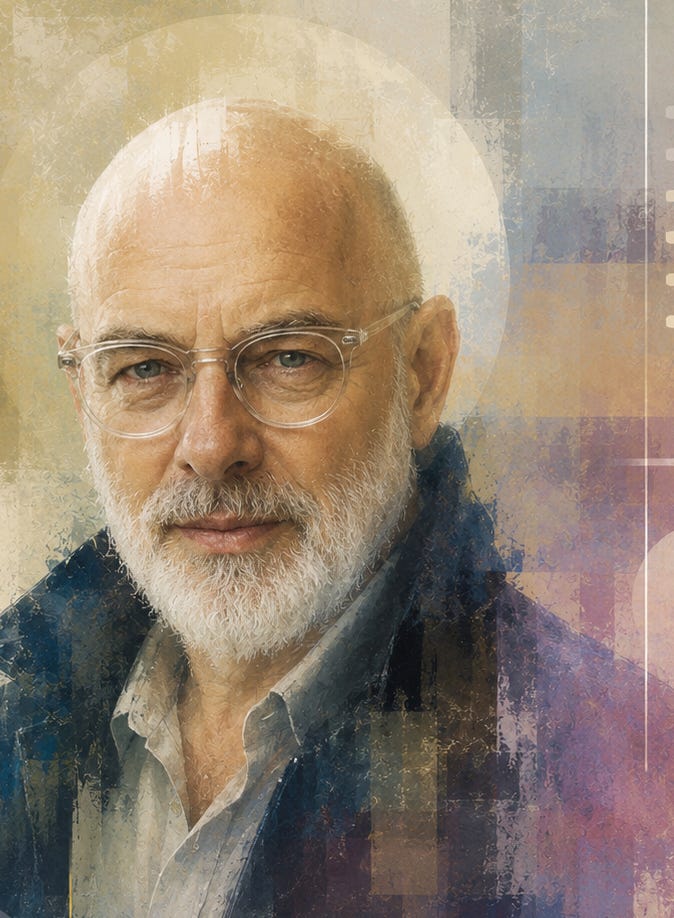
The hell with Eno’s glasses. We’re talking about his heart and mind here. Because in addition to being brilliant, endlessly curious, and modest, he’s also open, generous, and creative to the point of delirium.
At first, I was merely fascinated by him.
Keyboard player for Roxy Music. Solo artist (Another Green World is a doozy, and so is Taking Tiger Mountain). Inventor of ambient music. Producer for David Bowie, Talking Heads, U2, Laurie Anderson. He even managed to make those wankers in Coldplay sound interesting (once).
But he’s also a visual artist, writer, and lecturer. That freak of nature seems constitutionally incapable of staying in one lane.
For the uninitiated:
Eno (the documentary from 2025)
Eno’s book about art: What Does Art Do?
But I wasn’t always a fan of his ambient music, a genre he more-or-less defined.
I remember sitting at LAX in the early 90s, trying to dig Music for Airports, which had been highly recommended by everyone who I thought had an open mind (at least in music.) I really wanted to like it. I thought I gave it a fair shake.
I hated it.
After about twenty minutes I ripped off my headphones and put on Back in Black by AC/DC before I completely lost my mind and started biting people.
I still had hair then. And my beard was reddish-brown. The salad days.
Somewhere along the way I’ve gotten older. And learned to love Music for Airports. Or maybe it learned to love me.
Nah. The music didn’t change. I did.
Maybe that’s what fascinates me most about Eno.
I’ve spent years studying storytelling, in all its forms. Narrative. Beginning, middle, end. Conflict. Turns. Transformation. That’s how stories work. Movies, plays, songs.
Eno’s ambient music does none of that. Maybe refusing to tell a story is not storytelling. Maybe it’s something else entirely. Maybe we need to invent a new word for it. Whatever it is, it reaches the same place traditional narrative does, except using a different entrance and a different exist.
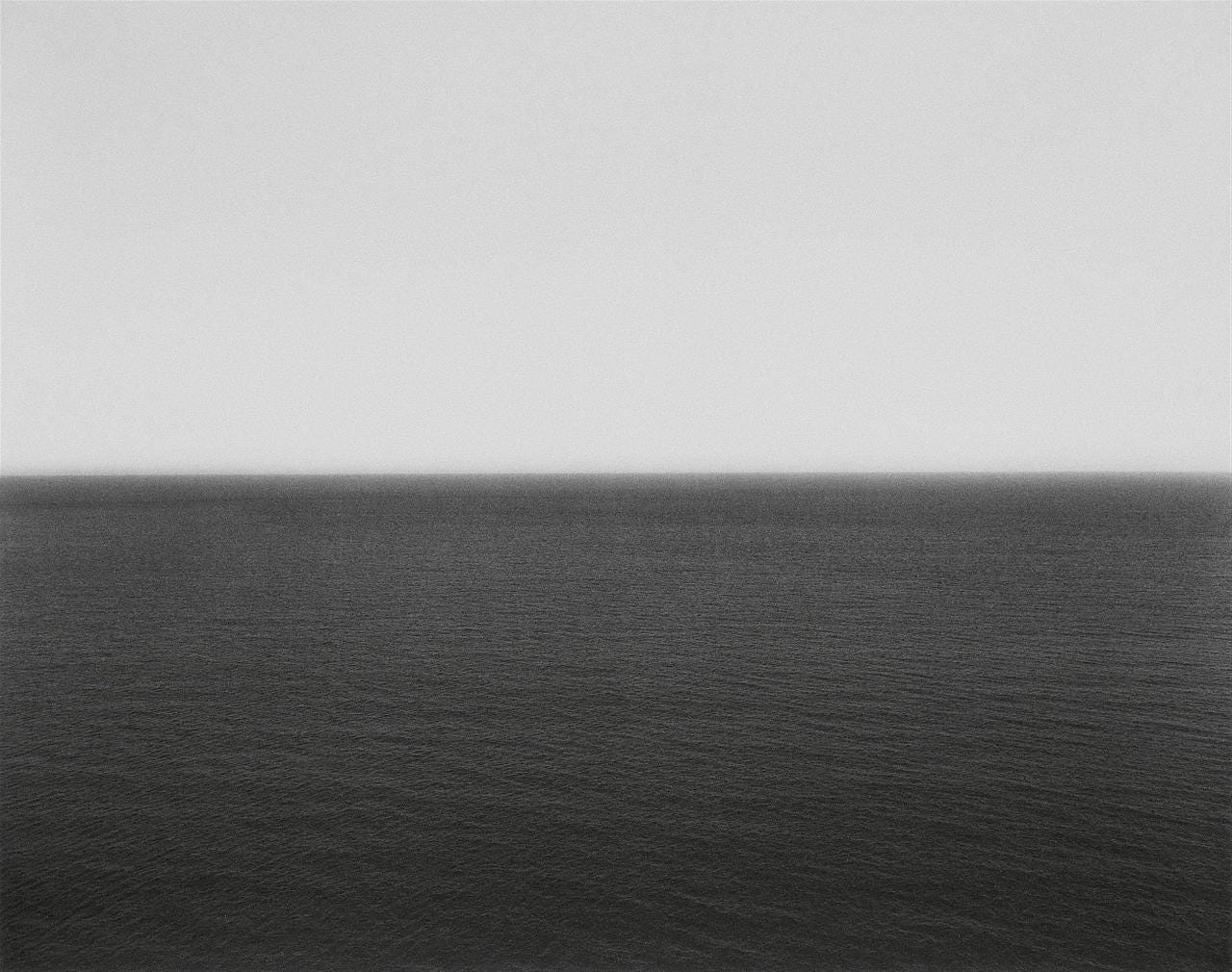
It doesn’t start. It doesn’t end. It just... appears. As if it had already been playing before you pressed Play. Then, forty-five minutes later, it evaporates almost as if it had never appeared at all.
And yet it stays with you. It etches itself into your mind like an old tattoo that’s faded over the years but can never quite be removed.
That’s completely backwards to everything I was taugh and to everything I teach.
The less narrative there is, the more room there seems to be for my own thoughts.
Listening to Eno talk to Ezra Klein (it’s about Eno, not Klein), I realized that maybe that’s the point. He isn’t trying to tell you a story. He isn’t even trying to hold your attention. He’s creating a space where your mind starts making connections on its own.
As someone who spends a lot of time taking photographs, I get that.
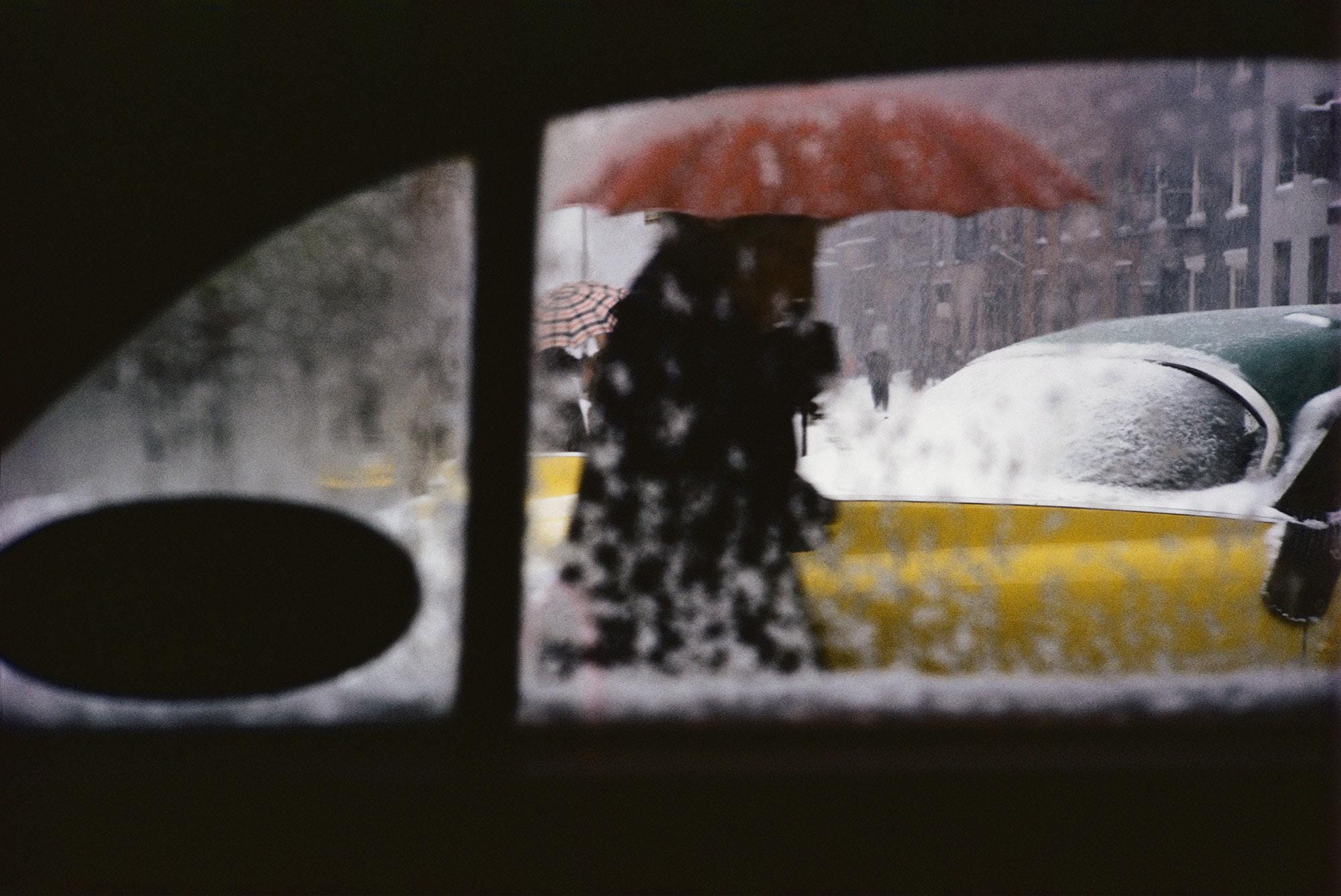
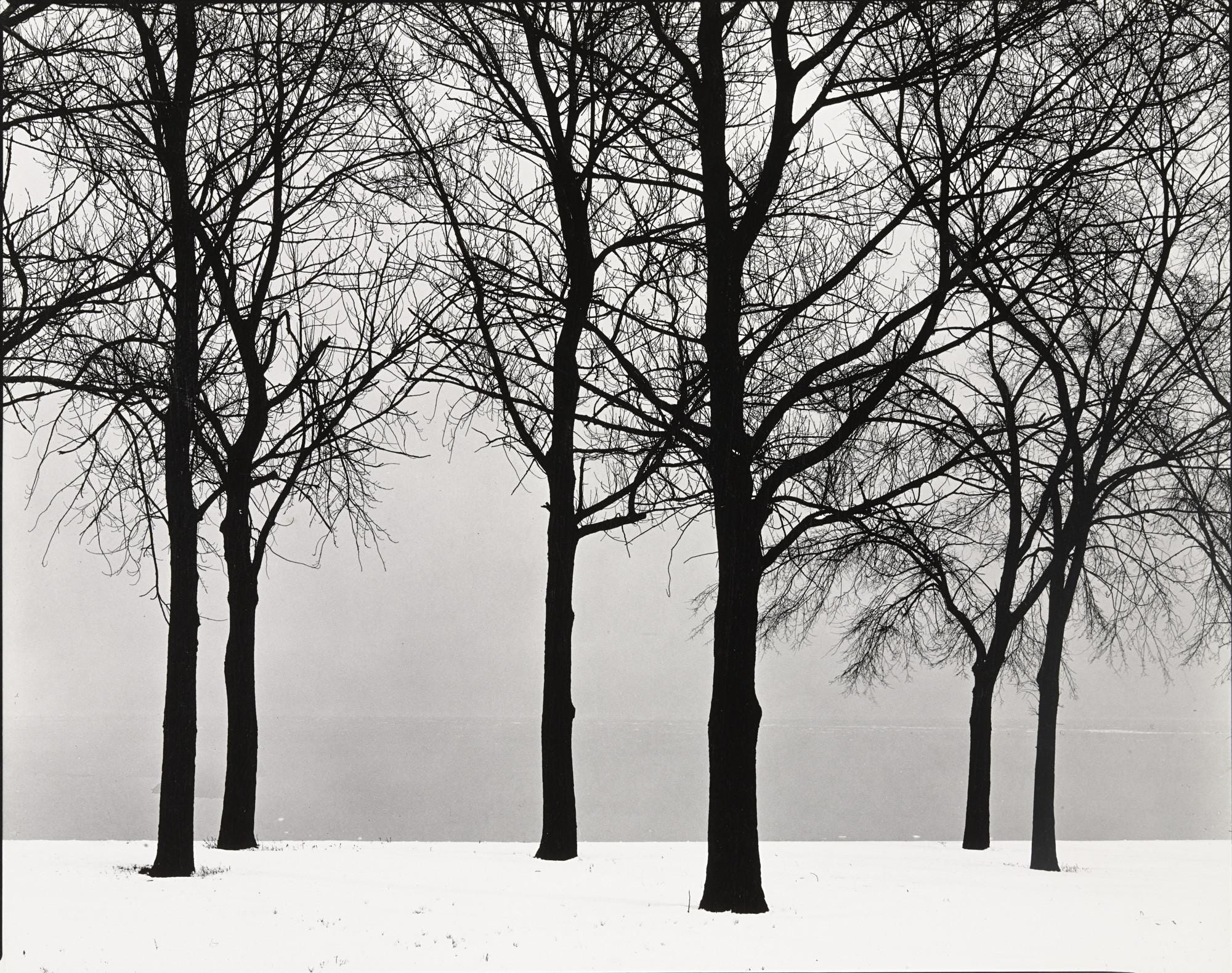
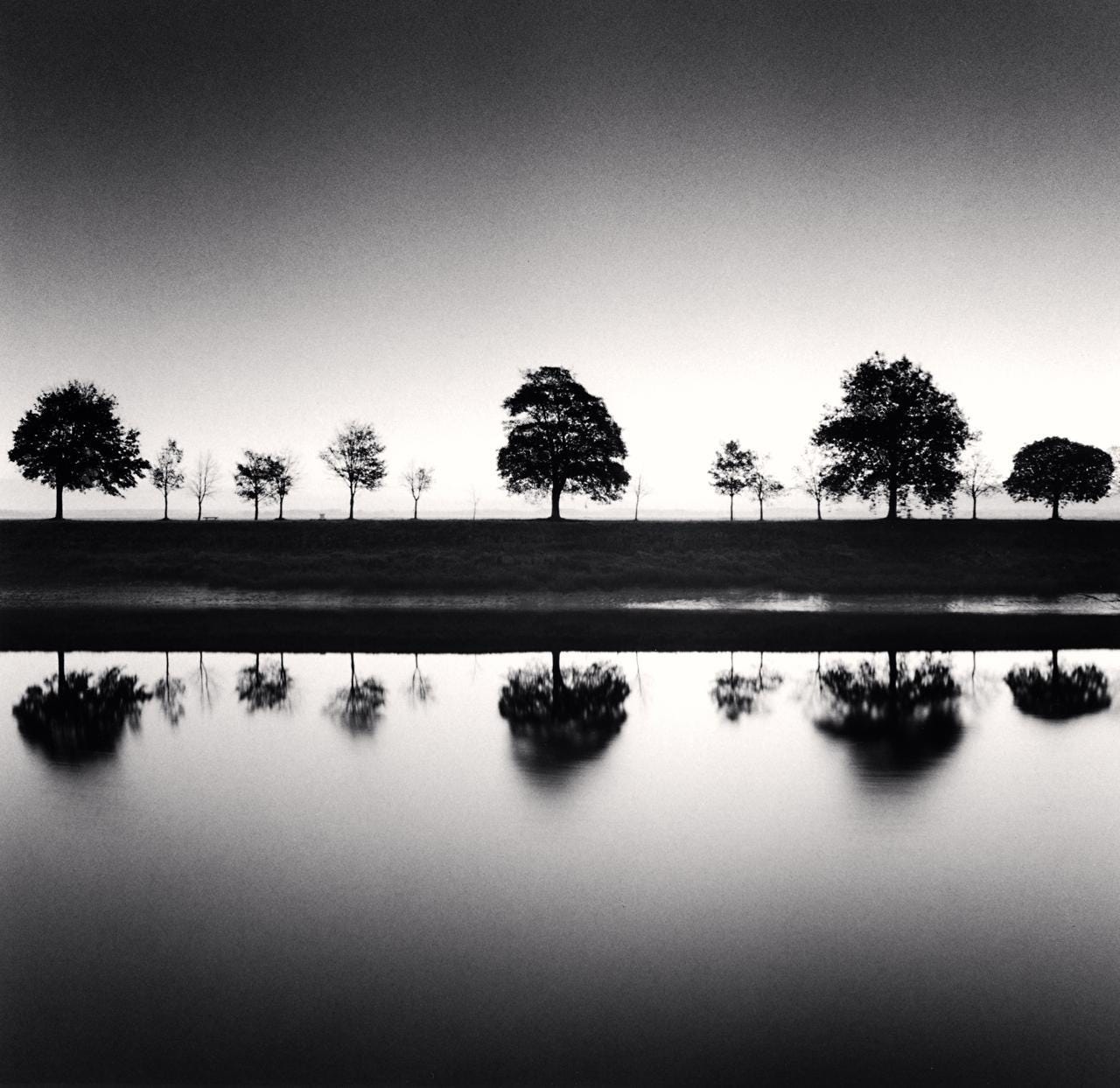
My favorite photographs aren’t the ones that scream. They’re the quiet ones. A child picking his nose. A man waiting for a train. A reflection in a rain puddle. An old lady sticking her tongue into a cat’s ear. A shaft of light that lasts ten seconds before disappearing.
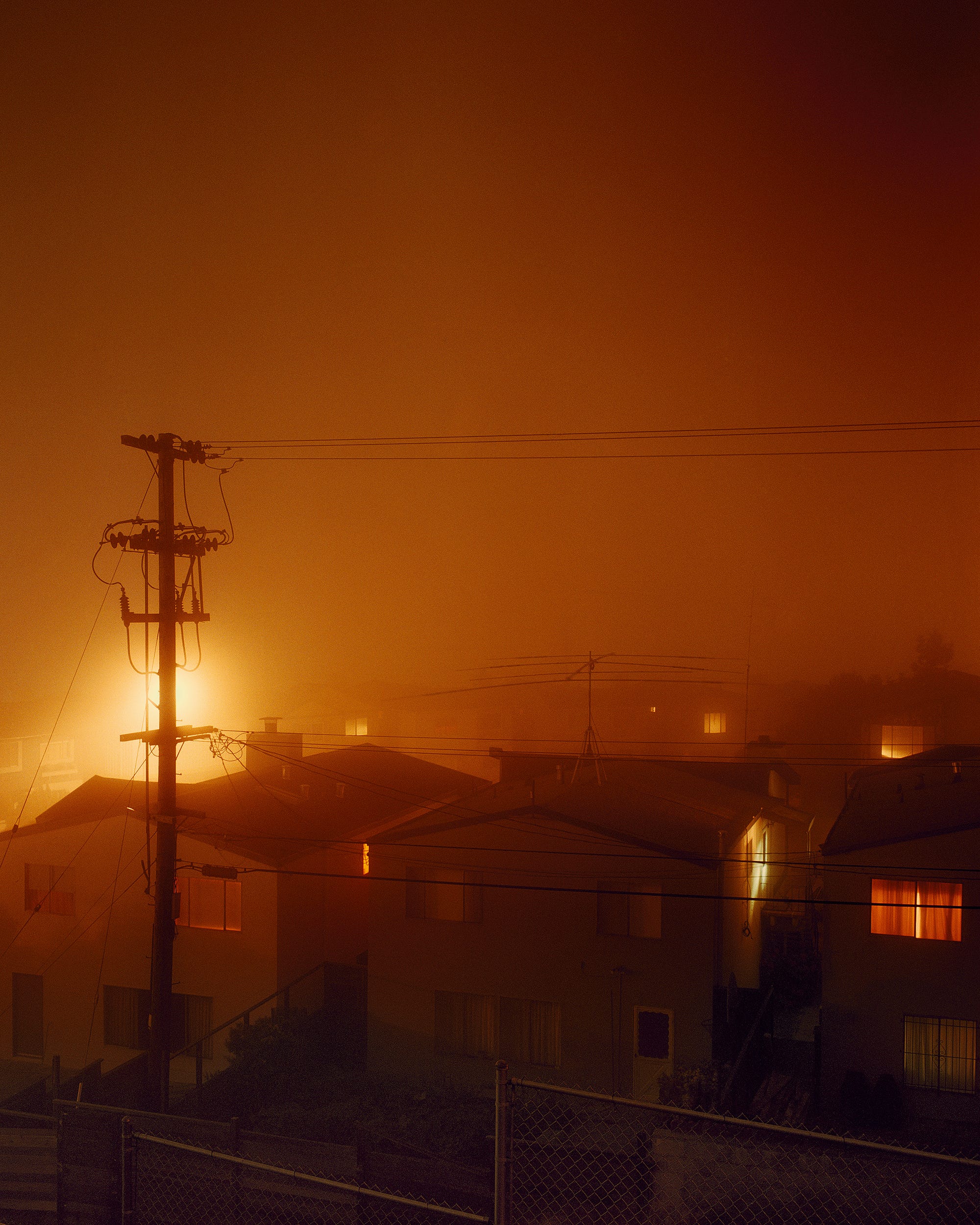
They don’t tell you what to think. They just sit there until something happens between you and the picture.
Maybe that’s what Eno’s music has been doing all along.
For someone who’s spent decades teaching that everything needs a beginning, a middle, and an end, it’s strangely liberating to admit that some of the most powerful art refuses to tell a story at all.
It simply changes the way you see… or hear the world.
Songs:
Baby’s on Fire (from Here Come the Warm Jets, 1973)
Fat Lady of Limbourg (from Taking Tiger Mountain (by Strategy), 1974)
Before he lost himself in the swirling soundscapes of “nothigness”.
Ambient:
The Pavillion of Dreams (Brian Eno with Harold Budd, 1977)
Ambient 1: Music for Airports (1978)
Ambient 4: On Land (1982)
Apollo: Atmospheres & Soundtracks (1983)
Thursday Afternoon (1985)
And if you’re on Spotify:
Thanks for reading (and listening) and being a subscriber.
’Til next time.
ak
He’s an inspiration. I love your lines: “He isn’t even trying to hold your attention. He’s creating a space where your mind starts making connections on its own.” A brilliant summary of his genius.
I’m very familiar with Eno. Ambient music is almost always playing in my world. I like how you compared it to photography. Something to think about in my own photography. Thanks for your article.