

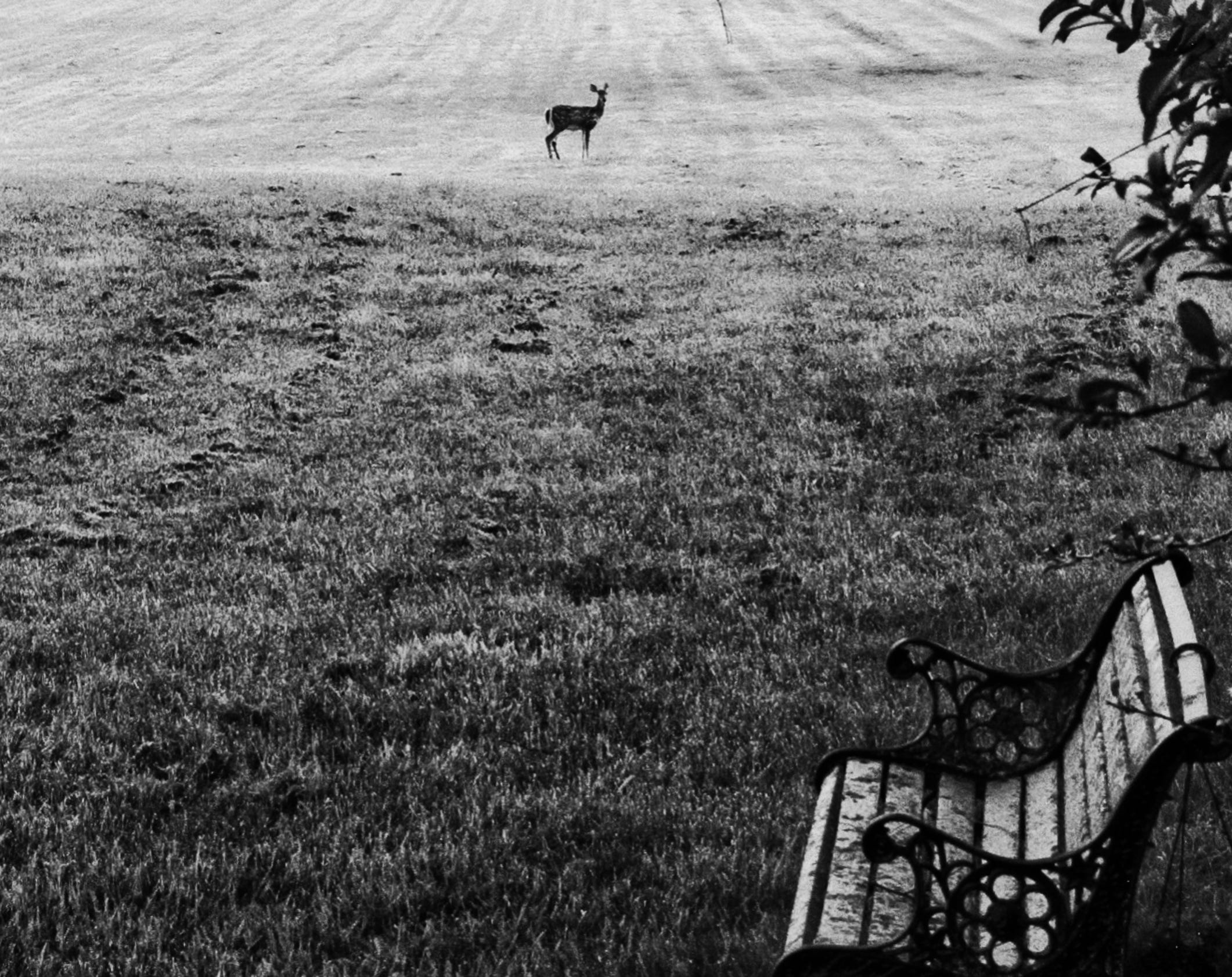
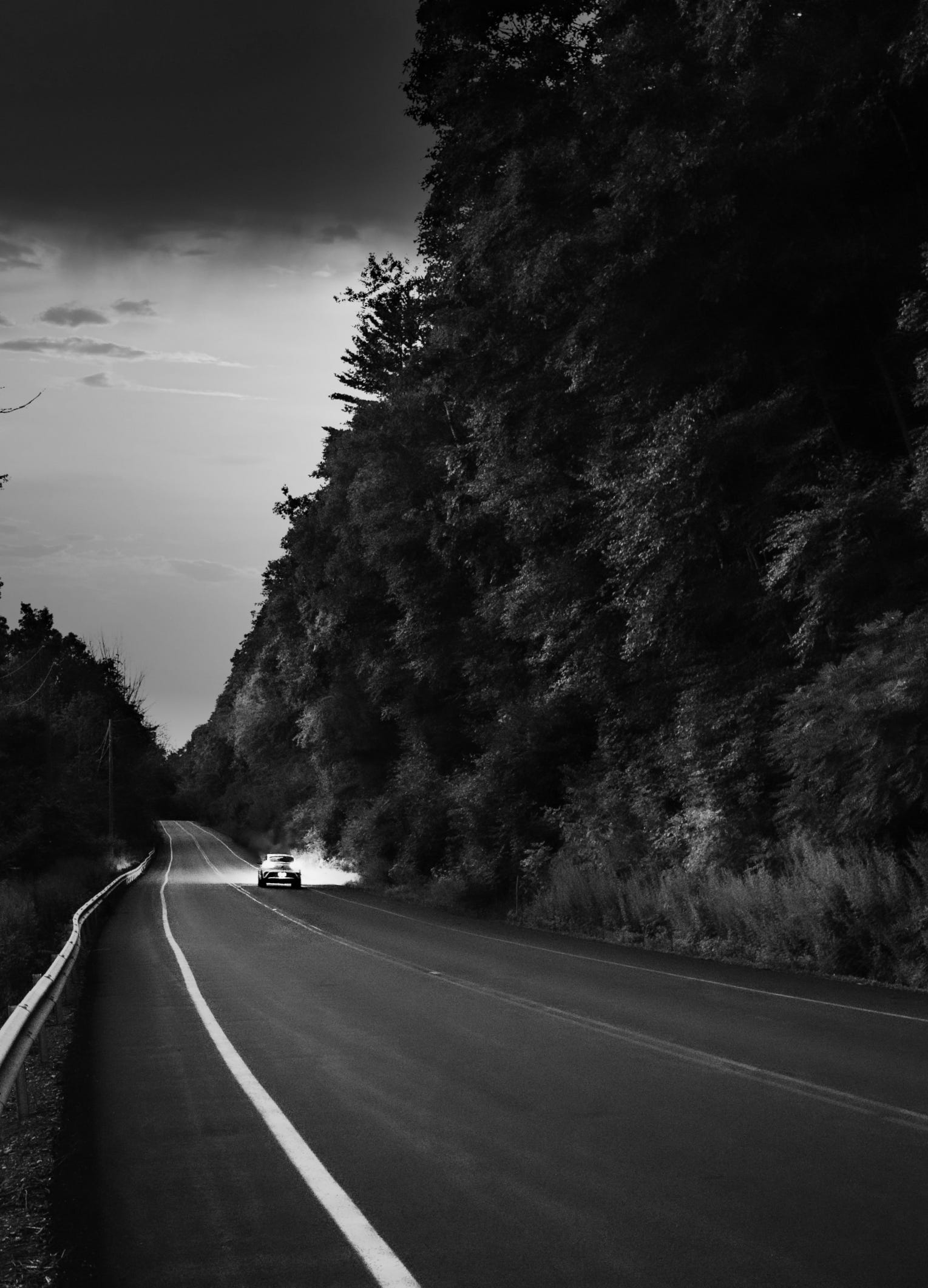
I have written before about fog and minimalism and have sworn not to write about it anymore. Yet I keep taking the exact same photographs of roads with no visible end, trees stripped to silhouettes, a streetlamp looking like a Cyclops’s squinting eye.
But I’m not sure if these pictures are minimalist, exactly.
Minimalism is a removal of the unnecessary. But fog is not as fussy. First, it erases the distance and then goes to work on the rest of the photo, leaving only a few things behind: the curb, the dark shape of a tree, the painted line in the asphalt.


I photograph fog because it complicates things. Usually, a well-lit street tells you exactly what you need to know. You get addresses on houses and trees that belong to certain neighborhoods. Fog changes everything. Once it rolls in, every explanation simply “mists” away.
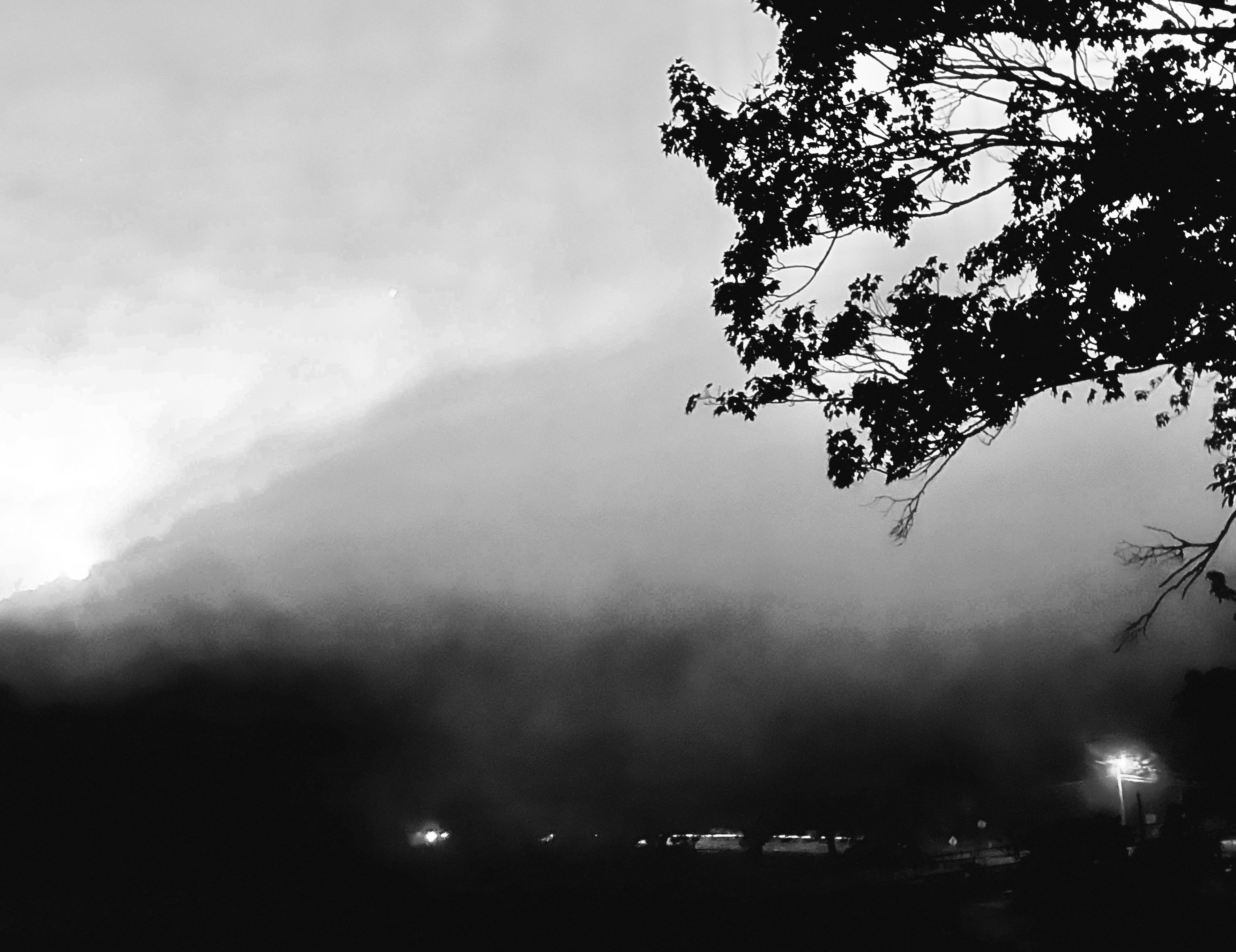
A road becomes a pair of pale lines fading into the darkness. A streetlamp looks like a can opener from another planet. The ordinary we’re used to becomes unavailable.
I like shooting in black and white not because I romanticize the “old times” or because I think color isn’t “serious” enough. Color is great. Green leaves, yellow lights, red brake lamps, blue sky. But black and white changes the way you look at a scene. Instead of asking “what’s here”?, you’re trying to figure out what the light is actually doing.


The cinematographer The Last Picture Show Robert Surtees once said that in black and white, “if you want a shadow, you’ve got to put it there.” I think he’s right, even if you’re framing a shot on an iPhone. Because there’s no color to separate and explain the world for you, shadows have to work extra hard. So does patches of gray. So do the flares around a streetlamp.
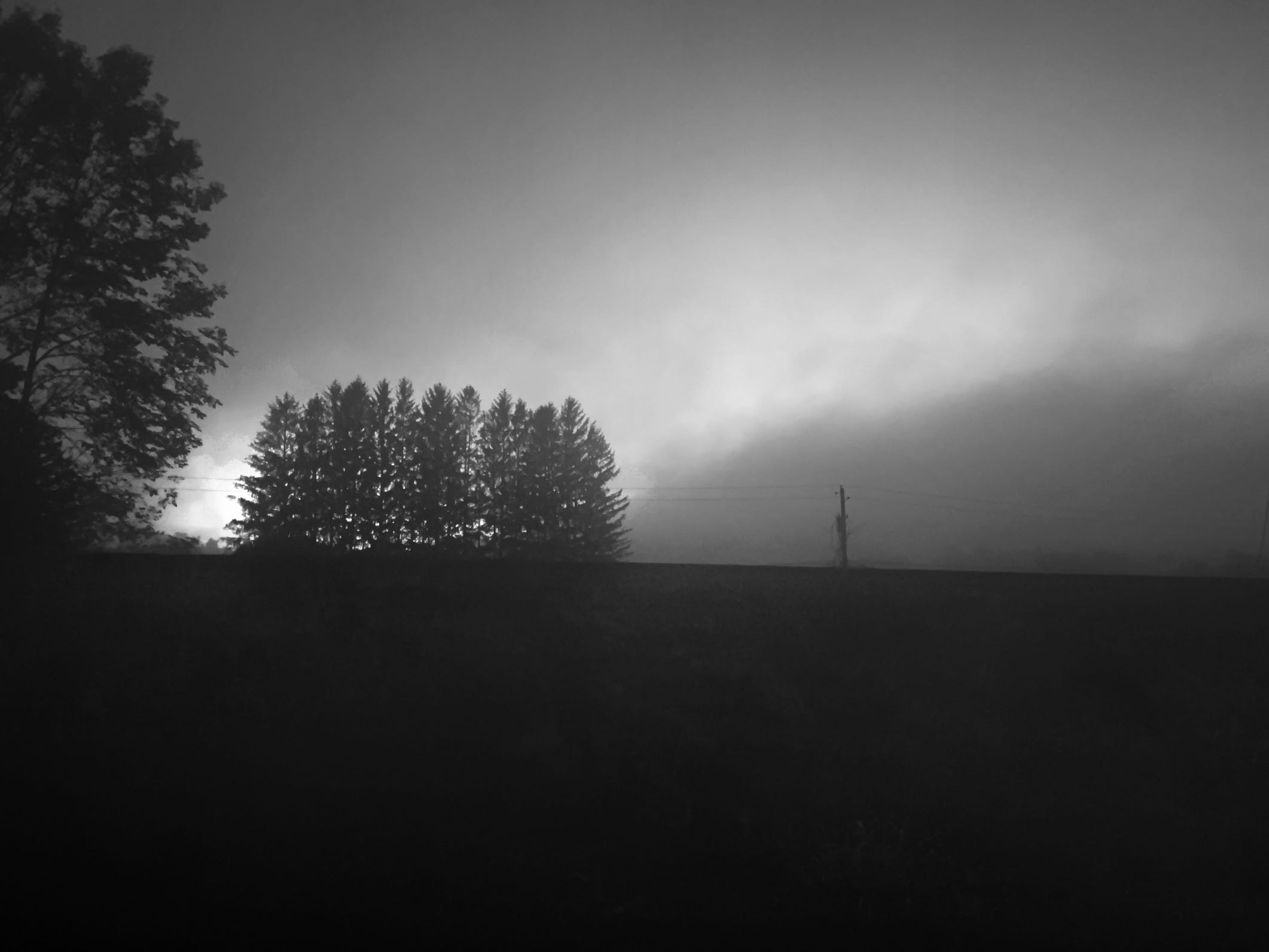
In Kurosawa’s Throne of Blood, mist makes the forest feel like a place where a sense of direction has broken down. Joel Coen uses black and white to do something similar in The Tragedy of Macbeth. As Coen noted, it lets the mind “fill in the blank parts.” Fog doesn’t just add atmosphere. It helps create the entire scene.
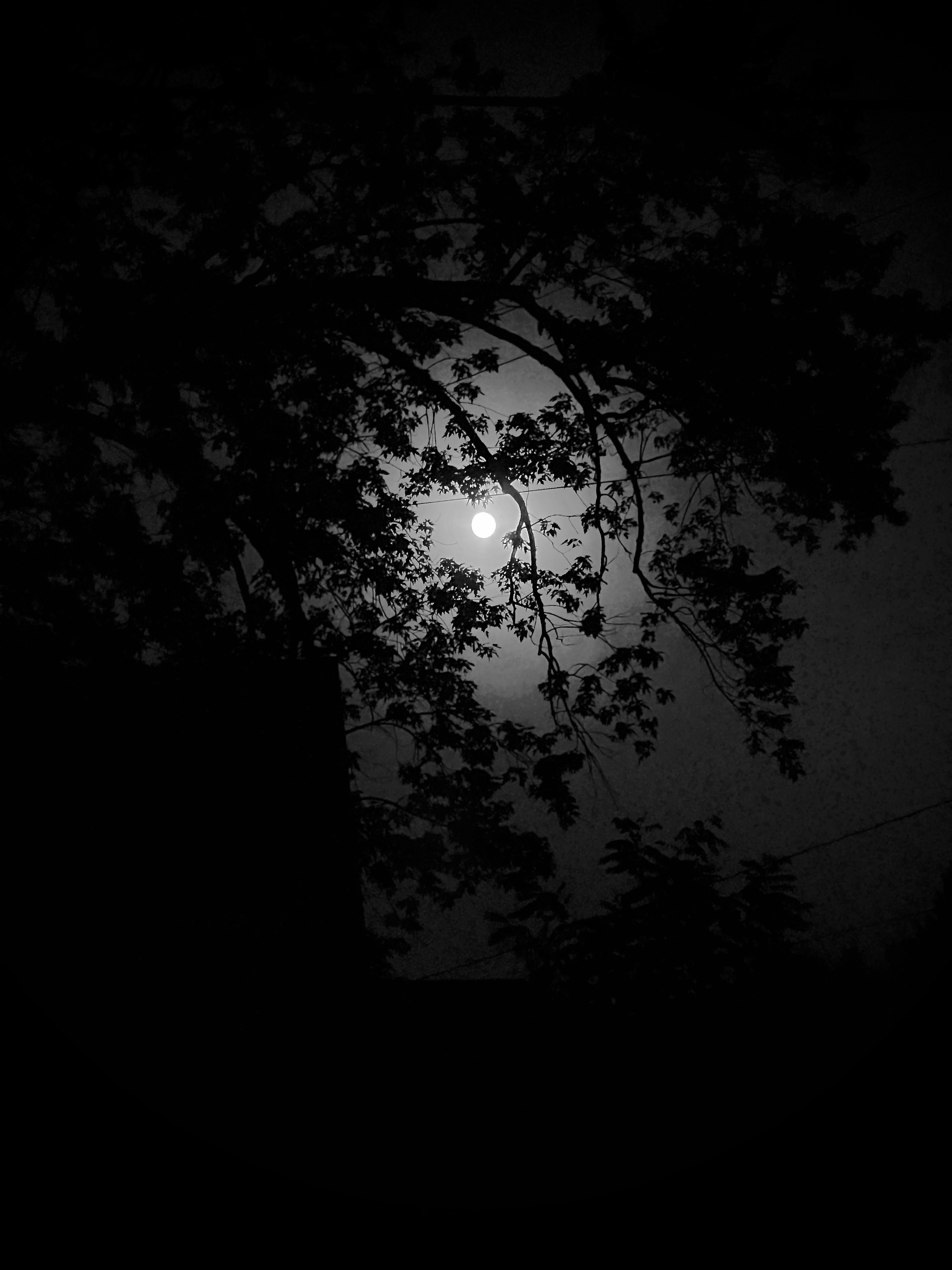
I like how these images keep you guessing. They look peaceful at first glance, but they feel a little surreal. Quiet, but almost eerie. It’s just a normal field and a normal road, but they look like they don’t want you to fully understand them. Like they're holding onto a secret.
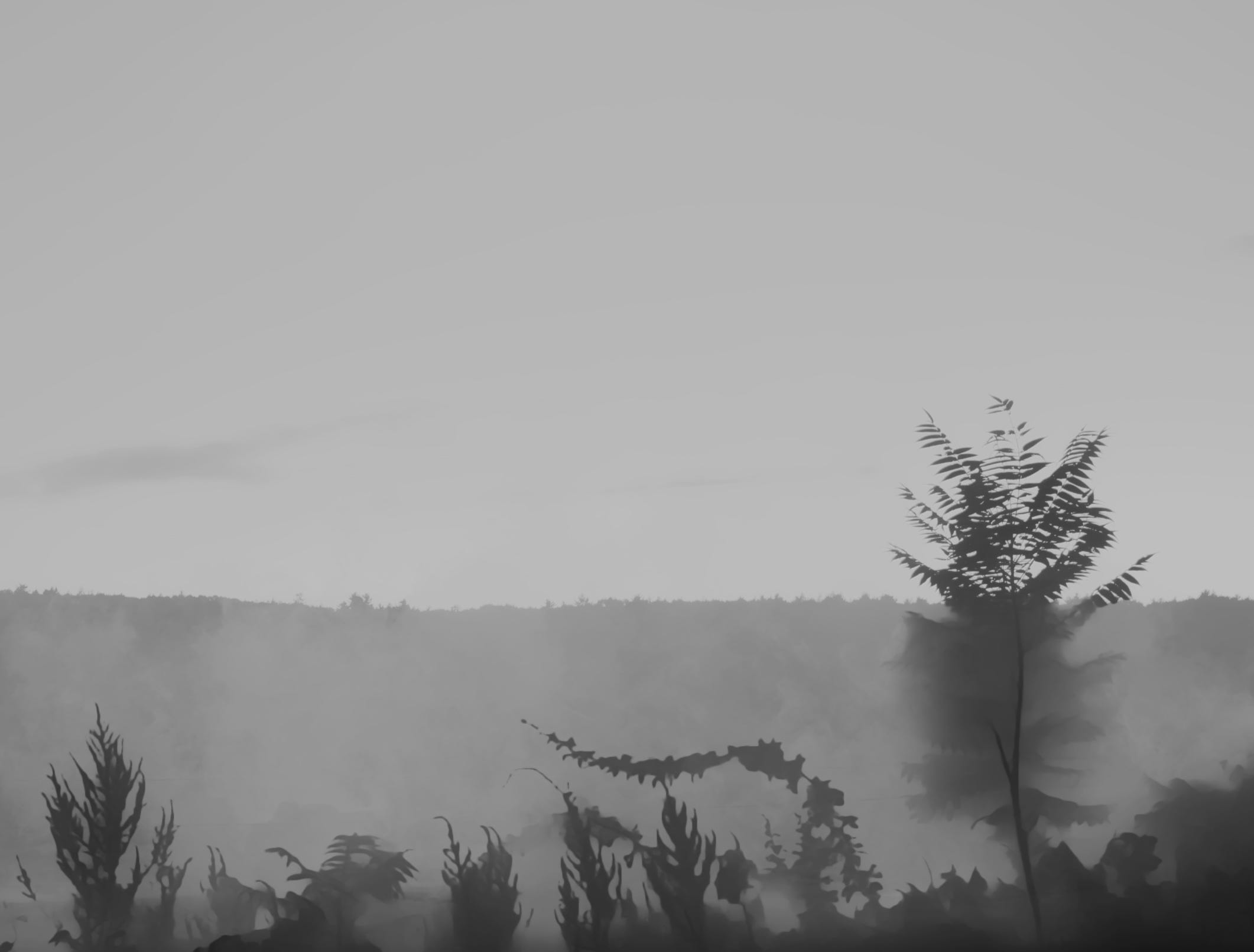
What if it's not minimalism but just a photo that doens't want to be explained. It gives us a few lights, some tree branches, a bunch of gray and black shadows. Then it leaves us alone in the dark. It invites us to look at what isn't there. I think that’s the entire reason we take photos in the first place.
Thanks for reading and being a subscriber.
’Til next time.
ak
www.framingthestory.com
I love the first photograph Alex!!
„I photograph fog because it complicates things.“ It is funny, because I always thought it does the opposite. That itmakes a scene less complicated because it usually takes away a lot detail especially the background. But of course, it makes a photo more mysterious because of the missing details and it raises more question or sparks your imagination in a different way, than a photo without fog. Interesting!