

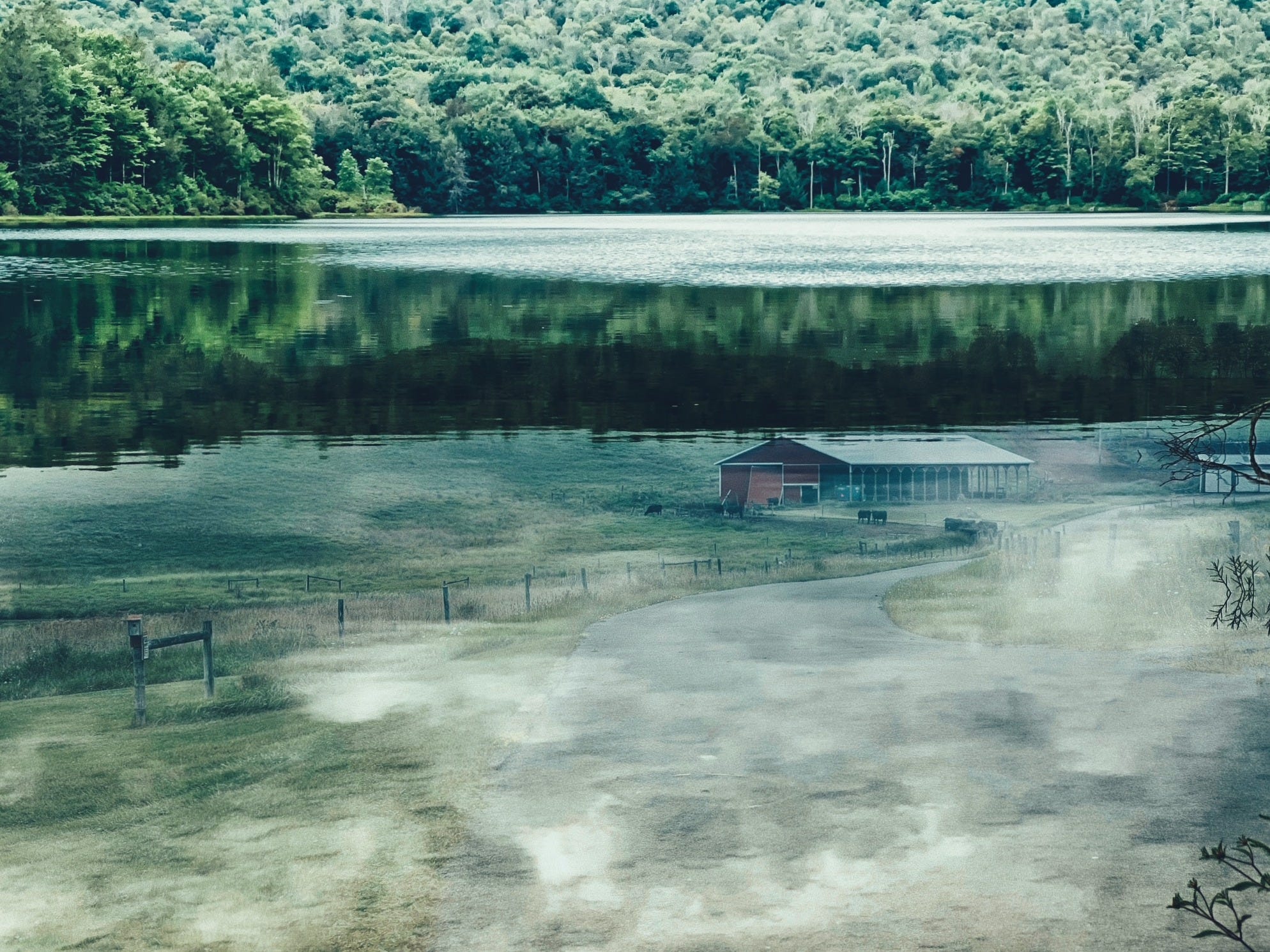
How does one write about a photograph? I’ve been thinking about that for quite some time. I don’t mean how to write a caption for a photograph, but how to let words curl up beside an image without the two getting on each other’s nerves.
Two classic texts keep pulling me in opposite directions: Susan Sontag’s On Photography (1977) and John Berger and Jean Mohr’s Another Way of Telling (1982). Published only five years apart, they offer different conclusions about what a camera can do to us. They do share an obsession, though. And I’m drawn to obsessions.
Sontag is brilliant, if cold and calculating. Her book comprises six essays and contains no photographs. Clever, no? It’s a bold decision for a book about photography. She wants you to think about photographs, not be seduced by them.
When you photograph something, Sontag asserts, you take possession of it. The camera turns your experience into clusters of souvenirs, and the world into a pile of images for others to own without ever having been there. It turns us into spectators, a nasty word that borders on “voyeur.”
Sontag also worries that a constant diet of images, especially images of human suffering, dulls our response rather than sharpens it. Taking a photograph, for her, is less like peering into someone’s soul and more like stealing it. A photograph is an act of appropriation, to use a Sontagian term.
I can just imagine what punishment awaits me in the hereafter for having been a soul thief for a good part of my life.
To be fair, Sontag later revised her strong opinion in Regarding the Pain of Others, a book of essays published 2003, one year before her death, where she goes easier on the idea that images simply numb us. She urges us not to look away from disturbing images but to let them haunt us. Photographs of the dead and the wounded can still make us pay attention if we let them punch us in the gut rather than treat them as spectacle. In the later book, she no longer thinks the image as the sole villain.

Berger and Mohr’s book, Another Way of Telling, is a collaboration between a writer and a photographer. It contains both essays and photographic sequences.
For Berger, a photograph is silent and ambiguous. It is an island in the center of time, and by itself it could mean many things. Where Sontag insists that photography’s power to flatten and devour, Berger treats it as an open window. Yet he argues that a photograph cannot fully reveal its meaning on its own. I couldn't disagree with the revered scholar more. But I do agree that the words we place beside a photograph matter enormously.
Instead of arranging photographs as a linear story with a beginning, middle and end, Berger suggests we arrange them closer to how memory works: an image at the center with associations leading to other images, to words, to the viewer’s own life. And that’s how meaning accumulates.
He also makes an important distinction between private and public photographs. A family snapshot is part of a private, lived experience, imbued with memories of the people we care about. A photo by a journalist, say, is taken out of its context and put to work for someone else. Can public images be given some of the continuity and warmth of private ones? That’s the book’s hope.
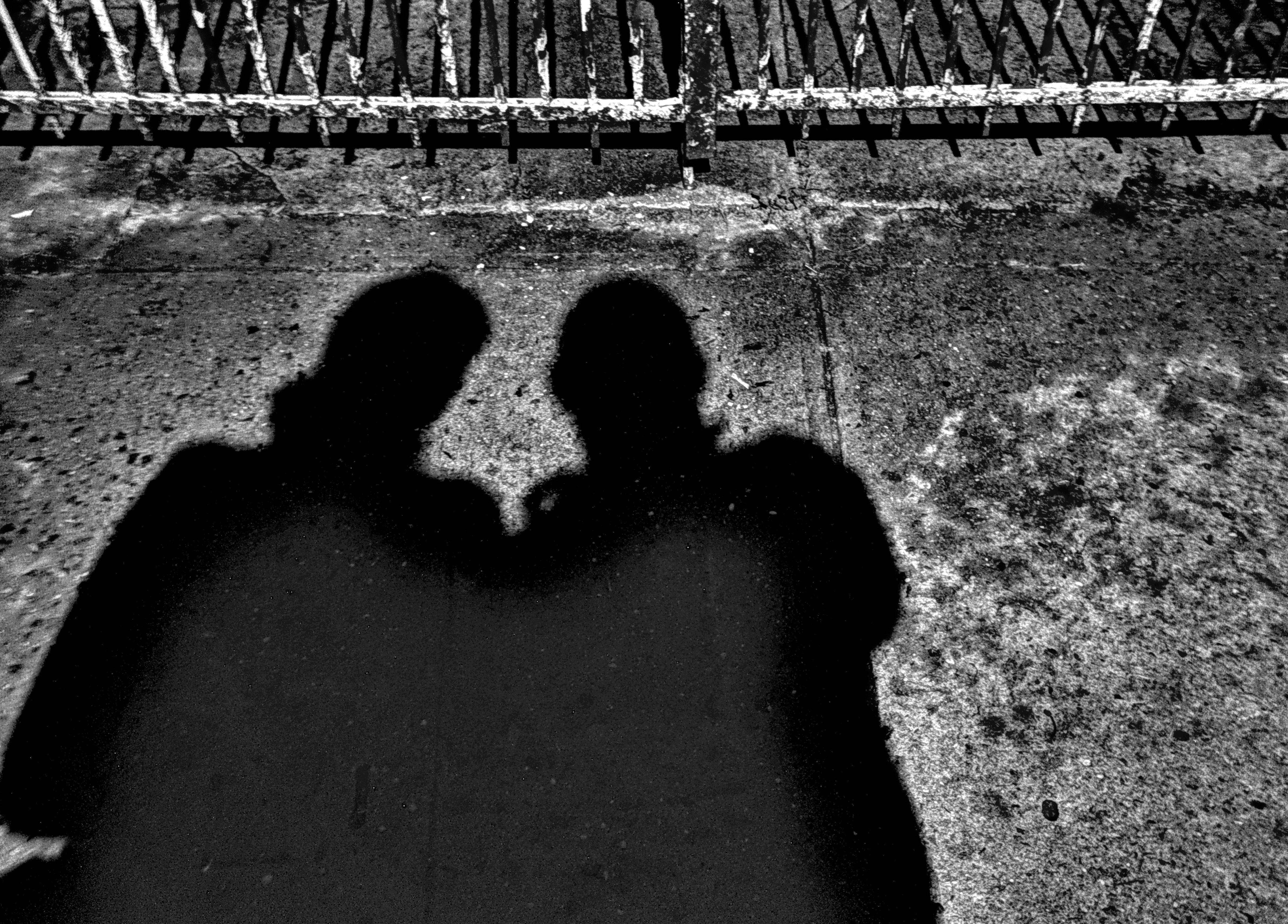
Sontag asks what photography takes from its subjects. She writes about photographs without showing any. Berger and Mohr ask what it could give back. They put images on the page and let them tussle with words. One is a critique from the outside. The other is an experiment inside.
Enough pussyfooting, you say. Land the plane and lemme go back to washing dishes.
This is the part I care about as a writer. If a photograph only illustrates the paragraph next to it, it adds nothing. And the paragraph adds nothing to the photo. Sontag’s warning is useful here: an image used carelessly offers what she called "a semblance of knowledge", letting us skip the harder work of thinking through the story.
Berger and Mohr believe there’s a way out. What if we let the photograph and the text each stay incomplete and let the meaning develop on its own? A photograph with no factual connection to a story can still connect with it, through mood or memory, or a detail the reader might notice before you do.
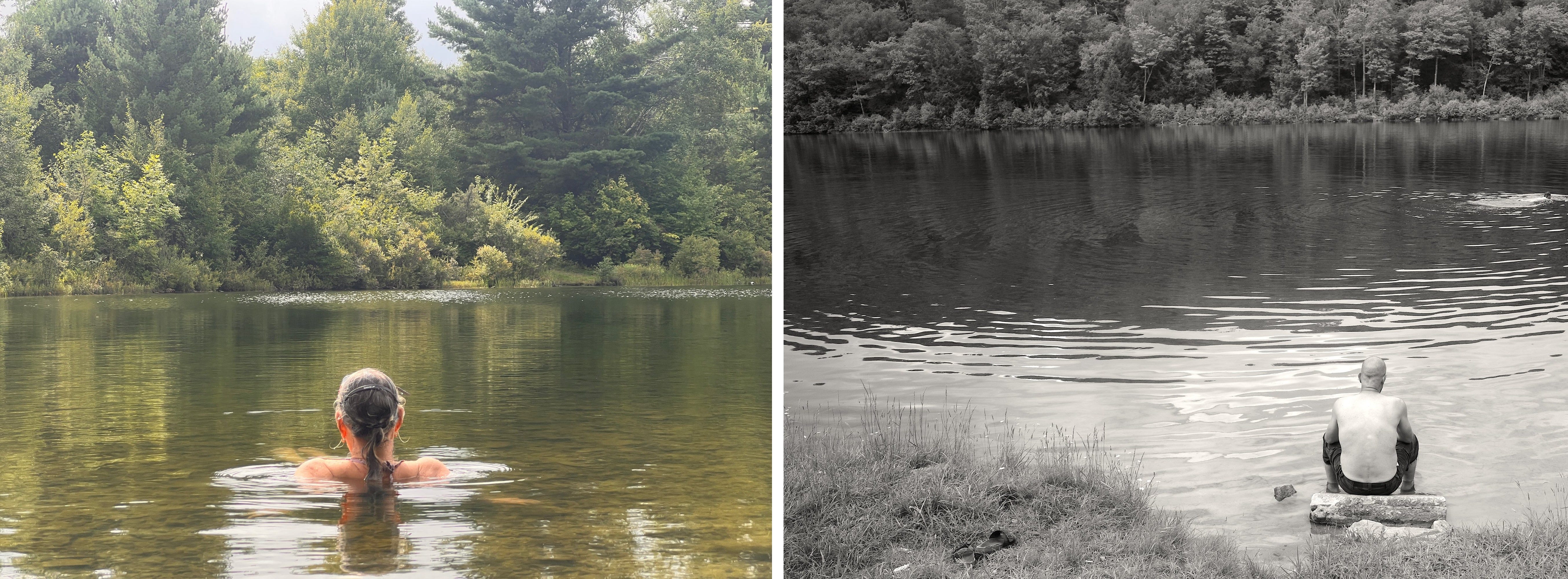
She gave him a green card.
He gave her a child.
That was the agreement.
They slept back to back
for six months, and yet
something magical happened.
Now they live on opposite
sides of the world
and speak once a year,
on the son’s birthday.
Sometimes love
is not all you need.
Books mentioned: Susan Sontag, On Photography (1977) and Regarding the Pain of Others (2003); John Berger and Jean Mohr, Another Way of Telling (1982).
Thanks for reading and being a subscriber.
’Til next time.
ak

Interesting piece that you've written here. If asked, I think I'd say I leaned more toward the Berger side of things...
For me they both only half get to an understanding about the relationship between pictures and words although that is not to demean their efforts. I think this article is well put together. Many thanks